
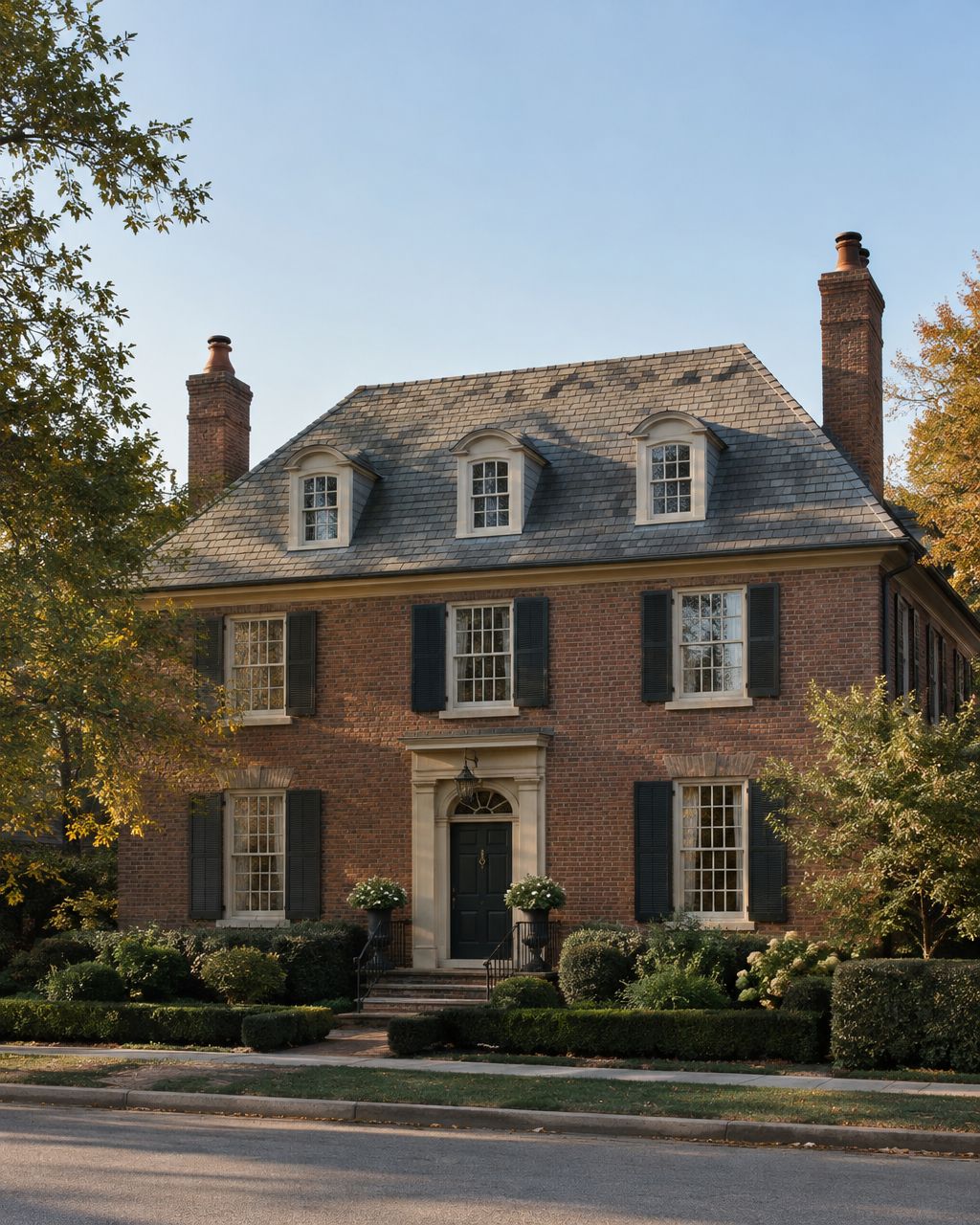
Roofing a historic home is a design approval before it is a construction job. In a locally designated historic district, exterior roof changes usually require a Certificate of Appropriateness from the local historic preservation commission — and that review happens before the building permit is issued. Costs run higher than a standard re-roof because approved materials and specialized labor cost more than architectural asphalt.
- A Certificate of Appropriateness from the local historic commission is required before a building permit in locally designated districts.
- Like-for-like repairs are reviewed favorably; full replacement gets closer scrutiny of material compatibility.
- The 20% federal rehabilitation tax credit applies only to income-producing property — owner-occupied homes do not qualify.
- Hire a roofer who has completed approved work in your specific district, not just one who says they do 'historic' roofs.
Two approvals, in order
A locally designated historic district (not just a National Register listing) triggers local design review. Before a building permit can be issued for roofing work on a contributing structure, the owner or contractor files an application with the local historic preservation commission for a Certificate of Appropriateness, or COA. Requirements vary by municipality — some review minor repairs administratively, others send full replacements to the commission — but the sequence is the same: COA first, permit second, work third.
Skip the COA and the risk is not just a fine. An unapproved replacement can face a stop-work order and an order to remove the unapproved material, which turns a roofing project into a roofing project twice.
Repair versus replacement — different scrutiny levels
- Like-for-like repair. Repairing existing historic material with matching materials is generally reviewed favorably. A wood-shake roof patched with wood shake follows the preservation principle directly.
- Full replacement. Replacing the whole roof triggers closer review of whether the new material is compatible with the district's character. Some commissions accept modern asphalt profiles on secondary structures; others do not. Read your district's design guidelines before choosing materials — they are usually published on the city or county preservation office's website.
Common historic roof materials
| Material | Where it fits | Practical note |
|---|---|---|
| Wood shake or shingle | Colonial and Victorian-era homes | Fire-treatment requirements vary by jurisdiction |
| Slate | High-end 19th and early 20th-century homes | Long-lasting; repairable by specialists |
| Clay tile | Spanish Colonial and Mediterranean Revival | Heavy — check framing capacity |
| Standing-seam metal | Many 19th-century residential roofs | Often approvable where profiles match |
| Asphalt shingles | Sometimes approved on secondary structures | Not universally accepted in historic districts |
What it costs
Historic-district roofing typically costs more than standard replacement because approved materials and specialized labor carry a premium. For context, a standard Charlotte asphalt replacement runs roughly $8,500-$18,000 on an average home — expect a materially higher figure once slate, tile, or approved shake enters the scope. Ask any bidder to itemize materials, labor, and permit or COA support separately so you can see where the premium sits.
Tax credits: what actually applies
Be careful here. The 20% federal Historic Rehabilitation Tax Credit applies only to income-producing property — owner-occupied primary residences do not qualify. The former 10% credit for pre-1936 non-historic buildings was repealed. Some states offer separate owner-occupied historic homeowner credits; program rules change, so confirm current availability with your State Historic Preservation Office before planning a project around one.
Hiring for historic work
A general roofer can be excellent on a 1990s subdivision and still mishandle a historic roof. Look for:
- Completed, approved projects in your specific district or a comparable one.
- Experience pulling COA applications and working with the preservation office.
- Material-specific credentials — slate and tile have their own trade specialties.
- A written scope that names the approved material and the approval sequence.
The same background checks that matter anywhere apply here: our roofing contractor licensing guide and contractor background check guide cover what to verify before signing, and our roof repair vs replacement guide covers when a historic roof is worth saving.
How Handvetted matches roofing professionals
Handvetted connects homeowners with one licensed, background-checked, highly rated local roofing professional. The published standard has four parts: an active license confirmed through official registries, background screening of every owner and operator, verified ratings of 4.5 stars or higher, and a human review of every application. Describe the property — age, district status, material in place — and Handvetted selects one verified professional and briefs them before contact. Free for homeowners, with a free rematch if the first match is not right.
FAQ
Do I need a permit to replace a roof on a historic home?
Yes, a building permit — and in a locally designated historic district, a Certificate of Appropriateness from the local historic preservation commission comes first.
What is a Certificate of Appropriateness?
It is the approval a local historic commission grants before exterior changes on contributing structures. Requirements and timelines vary by municipality.
Can I replace a historic wood roof with asphalt shingles?
Sometimes. Some commissions accept modern asphalt profiles on secondary structures; others reject asphalt outright. Read your district's design guidelines before choosing.
Does the federal historic tax credit help homeowners?
No. The 20% federal credit applies only to income-producing property. Owner-occupied primary residences do not qualify. Check your State Historic Preservation Office for separate state programs.
How much does a historic roof replacement cost?
More than standard replacement — approved materials and specialized labor carry a premium. A standard Charlotte asphalt baseline is roughly $8,500-$18,000; slate, tile, and approved shake run higher.
What should I ask a roofer before a historic job?
Approved projects completed in your district, experience with COA applications, material-specific credentials, and a written scope naming the approved material and the approval sequence.
Related guides
Source note: North Carolina Roof Authority, "Roofing in North Carolina Historic Districts: Approvals and Restrictions"; Robert Prusso CPA, "Historic Rehab Tax Credit 2026: Rules & Benefits"; PropertyZoned, "Historic District Rules: What You Can and Can't Change". Checked October 12, 2026.
Get Matched
Tell us what you need. We will find your pro. Get Matched.