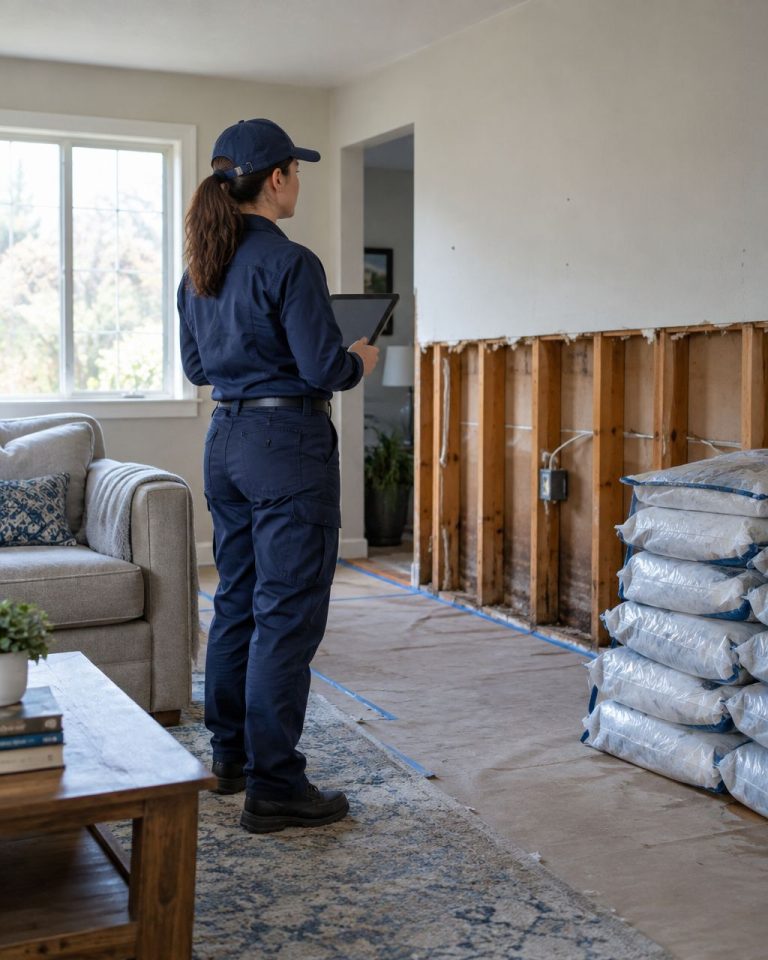
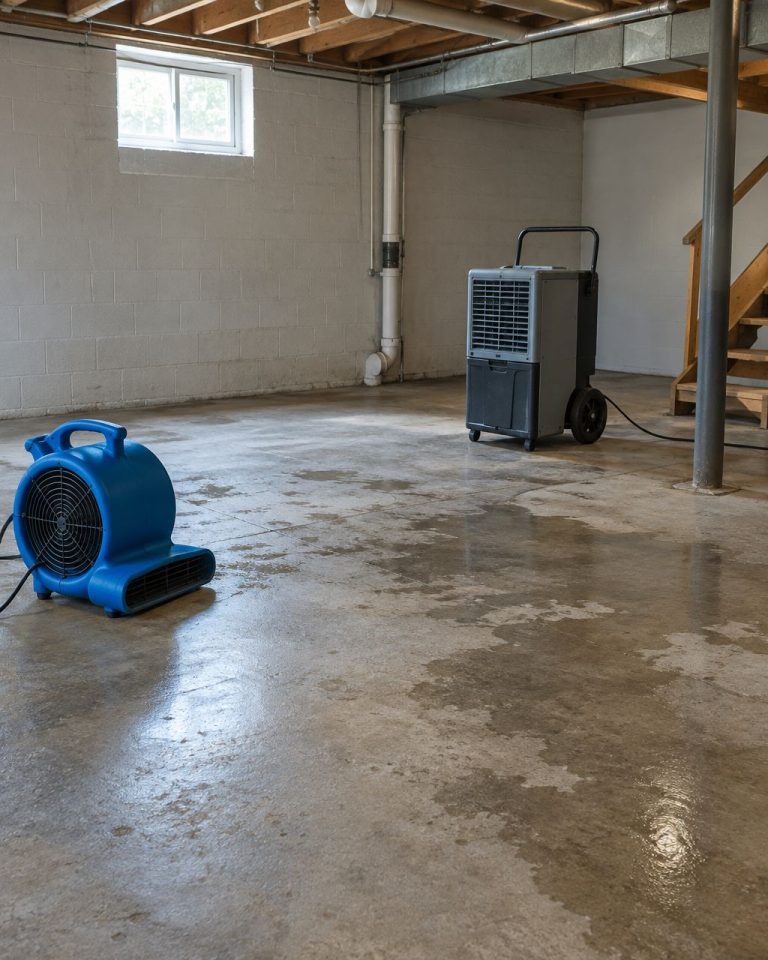
Choose water damage restoration in Huntersville, NC by checking the water source, the drying plan and the company responsible for repairs. In 2026, a crew that removes standing water but leaves wet materials unexamined has not answered the whole problem.
- Water damage restoration in Huntersville, NC needs a documented drying plan, not just extraction equipment.
- FEMA recommends safe damage photos and cleanup receipts before and during the recovery process.
- Handvetted connects homeowners with one licensed, background-checked restoration professional; check the assigned company’s written scope.
Describe the affected rooms and source through Handvetted's restoration matching service. A verified introduction helps with finding a business. It does not replace an onsite assessment or mean insurance will pay the contractor's entire invoice.
How do you choose water damage restoration in Huntersville, NC?
Choose a company that separates source repair, drying and rebuilding in its proposal. The person fixing a pipe is not necessarily the person drying a wall, and neither task automatically includes installing new drywall.
Use these 5 checks before authorizing extensive work:
- Identify the immediate hazard and what stopped the water.
- Verify the company's legal name, relevant credentials and insurance.
- Ask which rooms and materials need inspection, extraction or removal.
- Request a drying plan with documented progress and completion criteria.
- Confirm who restores finishes and how extra work gets approved.
If water is near electrical equipment, a ceiling is sagging or the building appears unsafe, stay clear. Contact the utility or emergency services as appropriate. Do not enter standing water to unplug a device or inspect a breaker. Tell the restoration company what you observed without attempting a diagnosis yourself.
Why this matters
Water loss creates several contracts disguised as one emergency. You need to stop the source, address damaged materials and restore the room. A broad promise to handle everything can hide exclusions between those stages.
For a Huntersville homeowner in 2026, the useful local question is whether the assigned crew actually serves your address and has capacity for the job. This guide does not rank named businesses, claim local arrival times or publish a citywide average charge. Get those facts directly from the company before deciding.
FEMA's flood-cleanup guidance, consulted in September 2026, puts safety first and recommends damage photos and receipts. EPA's homeowner mold guidance explains that standing water and wet materials can support microorganisms and continuing damage. These sources support prompt assessment, not a guaranteed drying deadline for every house.
What kind of water problem are you describing?
Tell the company what happened and what you know. Separate observations from guesses: water came from under the dishwasher is an observation; the whole kitchen floor needs replacement is a conclusion requiring inspection.
| Observed problem | First question | Scope detail to request |
|---|---|---|
| Supply pipe or appliance leak | Has the source been stopped safely? | Source repair and drying as separate responsibilities |
| Ceiling stain after rain | Is water still entering? | Temporary protection, roofing diagnosis and affected interior materials |
| Water coming through an exterior opening | Is weatherproofing or drainage involved? | Who investigates the entry route before rebuilding |
| Sewage or unknown floodwater | What contamination controls are required? | Qualified cleanup, material decisions and occupant precautions |
A source description also helps the insurer investigate the claim. Your policy, cause of loss and endorsements determine coverage. Do not substitute the contractor's estimate for the insurer's coverage explanation.
If the source is not yet known, ask for the assessment process. A careful business can explain what it will inspect before making a removal recommendation. It should also explain the charge and authorization for that assessment without pressuring you to sign a full reconstruction agreement.
What should a drying proposal include?
Map the affected materials
Ask for a written record of the affected rooms and materials, including areas beyond the visible puddle where inspection is warranted. Water travels through assemblies. A finished surface can hide a wet cavity, but that possibility is not permission for indiscriminate demolition.
Ask how the company decides what to retain, open or remove. The proposal should distinguish an observed condition from an area awaiting inspection. If opening a surface exposes additional damage, require documentation and a revised authorization.
Explain equipment and monitoring
The contractor should explain the purpose of proposed extraction, air movement and dehumidification equipment. Ask how progress is measured and who reviews readings. Equipment quantity alone is not proof that a plan is appropriate.
In 2026, a clear completion rule is more useful than a confident promise that every room will be finished on the same day. Ask what evidence will allow the contractor to stop drying and begin restoration. You do not need to choose the equipment yourself, but you need an understandable explanation of the work you are buying.
Show the handoff to repairs
Confirm whether the restoration company also replaces flooring, drywall, trim or cabinetry. If not, request a handoff record that identifies what was removed and what remains to be addressed.
Do not install finishes merely because the visible floor appears dry. Have the relevant professional confirm readiness for the intended rebuild. Keep the drying and repair records together so the next contractor does not have to reconstruct the history from memory.
How do you check a restoration company?
Start with the legal business name on the contract. Ask who supervises the crew and who performs any regulated plumbing, electrical or construction work. Check applicable licensing with the issuing authority and obtain current insurance information.
A training credential can help establish relevant education. It does not replace a required trade license or prove that the business has reviewed your property. Ask about comparable water-loss projects and how the proposed supervisor handles a discovery behind a wall.
Use this practical contractor background-check guide to organize the broader screening. Then add the water-specific questions: how the source is fixed, what is monitored and when the space is ready for reconstruction.
Handvetted's restoration matching is best for homeowners who want one screened introduction rather than contacting a long list of businesses. Its limitation is equally clear: the match is not an insurance decision, a site inspection or a guarantee of a particular drying duration.
How should you document the job for insurance?
Create one project folder. Include photos, the loss date, source information, the initial authorization, estimates, progress records, invoices and insurer correspondence. A dated note about when you discovered the water can be more useful than an explanation written weeks later.
FEMA recommends photographing damaged items before cleanup when safe and keeping cleanup receipts. Ask your insurer how it wants removed materials documented, whether any should be retained and how urgent protective work should be recorded. Follow those instructions without delaying emergency safety measures.
The contractor should document its work separately from your personal inventory. Ask for records of materials removed, affected areas and additional discoveries. If the insurer requests an explanation of a charge, you should be able to identify the service it covered.
In 2026, keep 3 records distinct: what happened, what the contractor did and what the insurer agreed to cover. Combining them creates avoidable confusion. A contractor can document a condition without having authority to decide policy coverage.
How do you compare estimates without choosing the wrong scope?
Compare proposals for the same stages of work. A drying-only estimate cannot be fairly compared with one including new flooring and painting. Ask each business to identify exclusions before evaluating the total.
Check these boundaries:
- Emergency protection versus permanent repair.
- Inspection versus material removal.
- Drying equipment versus reconstruction labor.
- Contents handling versus building work.
- Source repair versus remediation of resulting damage.
Request an explanation for a major difference. Do not assume the lower figure is dishonest or the higher one is better. One estimate can include a task another excluded. A clear scope makes that visible.
Avoid open-ended agreements that let extra work accumulate without review. The contract should describe how discoveries are photographed, priced and approved. If urgent work cannot wait for the whole repair estimate, authorize that limited stage clearly.
What delays restoration or changes the scope?
Unresolved water entry. Drying cannot deliver a lasting outcome if water continues to enter. Confirm who is responsible for the source before rebuilding.
Hidden affected materials. Opening an assembly can reveal a condition not visible at the first visit. Require a documented change rather than an unexplained final invoice.
Different contamination concerns. Sewage and unknown floodwater demand appropriate professional handling. Do not use a clean plumbing-leak plan as a substitute.
Occupied rooms and contents. Furniture, storage and household access affect the work plan. Tell the crew what rooms must remain usable.
Separate rebuilding trades. Drying completion and finished-room completion are different milestones. An available drying crew does not prove the reconstruction team is available.
These are planning variables, not invented Huntersville performance statistics. Ask the assigned company how each applies to your property in 2026.
What should you receive at completion?
Request a summary of affected areas, work performed, materials removed and the completion checks used. Obtain any relevant repair documentation and ask who to contact if the original symptom returns.
Walk the property with the supervisor. Identify unresolved finishes and separate them from drying concerns. Put remaining tasks on a written list with the responsible party named.
Do not confuse emergency equipment pickup with completion of the whole project. If rebuilding is separate, the handoff should say so. This protects both you and the contractor from expectations that were never part of the signed scope.
FAQ
Who should I call for water damage restoration in Huntersville, NC?
Choose a company that serves your address and can document source control, drying and repair responsibilities. Handvetted offers one screened restoration introduction, not a ranked list of local businesses.
Can I walk into a flooded room to turn off power?
Do not enter water near electrical equipment. Contact the utility or appropriate emergency service and follow their instructions.
Does water extraction mean the house is dry?
No. Removing standing water does not establish the condition of hidden materials; ask how the crew monitors drying and decides when work is complete.
Will homeowners insurance pay for restoration?
Coverage depends on the policy and cause of loss. Ask the insurer for a coverage explanation and document contractor work separately.
Does a restoration quote include new flooring?
Only if the written scope includes it. Confirm reconstruction, contents handling and source repair separately.
What should I keep after the job?
Keep photos, authorizations, monitoring records, invoices, changes and completion documents. These explain both the damage and the work performed.
One last thing
A drying plan should have an end condition, not just a daily equipment list. Before signing, ask what evidence will show the affected materials are ready for the next stage. Handvetted can help you find one restoration professional; that question keeps the project accountable after the introduction.
Related guides
Sources: FEMA, Stay Safe Cleaning Up After a Flood; EPA, Mold Cleanup in Your Home. General US safety and cleanup guidance consulted September 2026; local instructions, policy terms and onsite findings govern individual projects.