Choose a basement flood restoration company that checks structural and electrical hazards before extraction, identifies the water source and documents how affected materials will be handled. In 2026, pumping out a basement is only part of recovery; the repair plan must also address contamination, drying and the reason water entered.
- Basement flood restoration companies should assess safety before pumping, cleaning or removing materials.
- FEMA recommends photographs and receipts; EPA warns that wet materials and standing water support microorganisms.
- Handvetted offers one vetted restoration match, but the contractor must confirm the actual basement scope onsite.
You can describe the basement and visible damage through Handvetted's restoration matching page. Use that introduction to ask for a property-specific assessment. Do not promise a crew access to an unsafe room or assume a general cleanup quote includes foundation or drainage repairs.
How do you choose a basement flood restoration company?
Choose safety assessment, source control and documented drying before cosmetic repairs. A flooded basement can involve electrical equipment, contaminated water or pressure against below-grade walls. Get qualified guidance rather than starting a pump yourself.
Follow these 6 decision steps:
- Stay out if electricity, structural damage or contamination presents a hazard.
- Describe the source, depth and affected materials from a safe location.
- Ask what assessment is needed before removing water.
- Separate extraction and cleanup from waterproofing or source repair.
- Require a drying and material-disposition plan.
- Agree on reconstruction and completion responsibilities.
If there is immediate danger, follow emergency-service or utility instructions first. A matching request is not an emergency response service. Do not wait for an estimate to address a hazard requiring those authorities.
Why this matters
Basements combine water problems with confined access and building systems. A wet carpet, water around a furnace and water against a foundation wall are different conditions. The crew needs to know which it is addressing before it proposes a cleanup method.
FEMA's flood-cleanup guidance, reviewed September 2026, advises checking local instructions, avoiding damaged structures and documenting losses. EPA's mold guidance explains that contaminated materials and persistent moisture can create lasting health and building problems. Together, these support an assessment-led restoration plan, not a universal pumping instruction.
In 2026, select a company for its explanation of your basement, not a promise that all flood jobs are alike. A finished basement, storage basement and mechanical room can require different work even when the visible water level looks similar.
What caused the basement flooding?
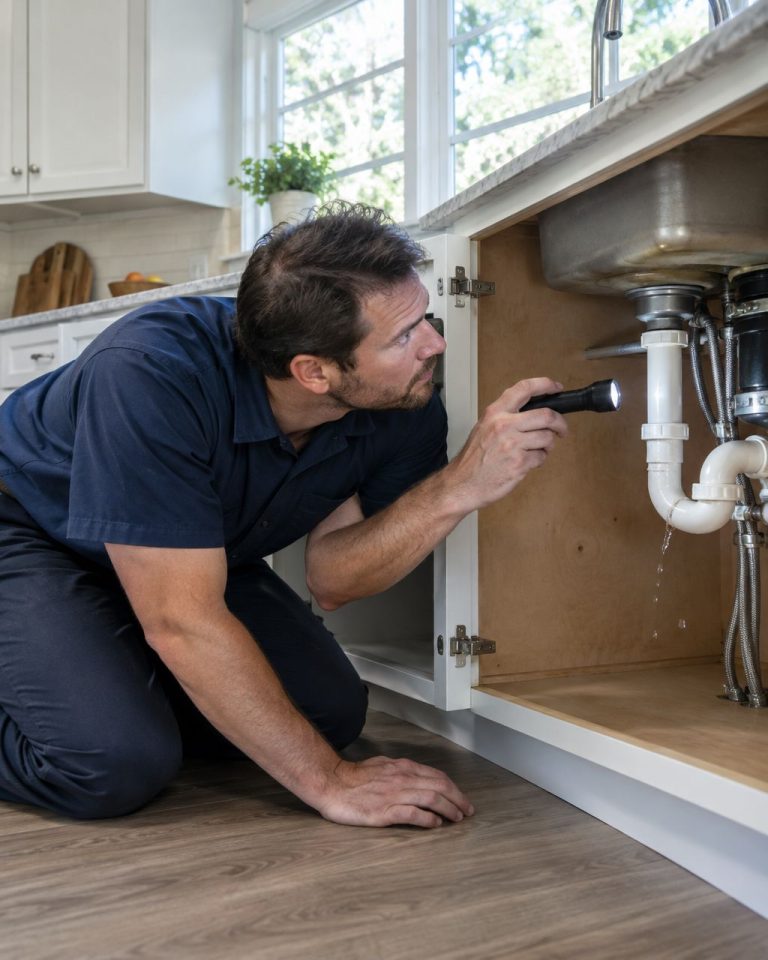
Tell the company what you observed. Avoid deciding coverage or cause from a photograph alone. The difference between groundwater, plumbing water and a backup affects both the repair investigation and the questions for your insurer.
| Possible source | Question for the assessing professional | Separate task to clarify |
|---|---|---|
| Plumbing or appliance leak | Has the supply or failed component been addressed? | Plumbing repair |
| Exterior water entry | Where and why is water reaching the building? | Drainage or waterproofing investigation |
| Drain or sewer backup | What contamination controls are needed? | Plumbing diagnosis and cleanup |
| Widespread flooding | Is access and water removal safe now? | Local safety guidance and structural assessment |
A restoration business is best for cleanup and drying within its expertise. A drainage or foundation specialist is best for a recurring entry problem requiring that trade. A plumber is best for diagnosing a pipe or drain failure. None of those roles automatically replaces the others.
Ask who coordinates the handoffs. Without a named coordinator, the cleanup crew can leave a dry room while the source remains unresolved. The next rainfall then exposes a failure in the plan rather than in the equipment.
What should happen before extraction?
Confirm access is safe
Ask whether electrical equipment, wiring, appliances or building damage require evaluation before the crew enters. Do not touch equipment while standing in water. Obtain utility or qualified electrical assistance when appropriate.
Describe any bowing wall, shifted structure, gas odor or unusual condition without trying to test it yourself. A crew should explain when the job needs another professional's assessment. Refusing to begin until a hazard is addressed is a sign of defined boundaries, not necessarily a service failure.
Ask about water removal conditions
Do not assume immediate, unrestricted pumping is safe in every flooded basement. Have the assessing professional consider the building and surrounding conditions. This guide does not prescribe a pumping rate or sequence.
The written authorization should distinguish an inspection from extraction. If the initial visit discovers a structural concern, find out what happens next and who must clear the work. The plan should reflect the property, not a script used on every call.
Protect the record of loss
Take safe photos before work where possible. FEMA recommends damage photos and cleanup receipts. Ask the insurer how damaged belongings and removed material should be documented, and follow local instructions for disposal.
Do not keep contaminated items in occupied space merely to preserve evidence. Ask the responsible professionals how to document them safely. The goal is a usable record without exposing occupants to avoidable hazards.
What belongs in the restoration proposal?
A good 2026 proposal describes rooms, materials and responsibilities. It should explain what is extracted, cleaned, removed, dried or left for another trade. Ask for the basis of each major removal recommendation.
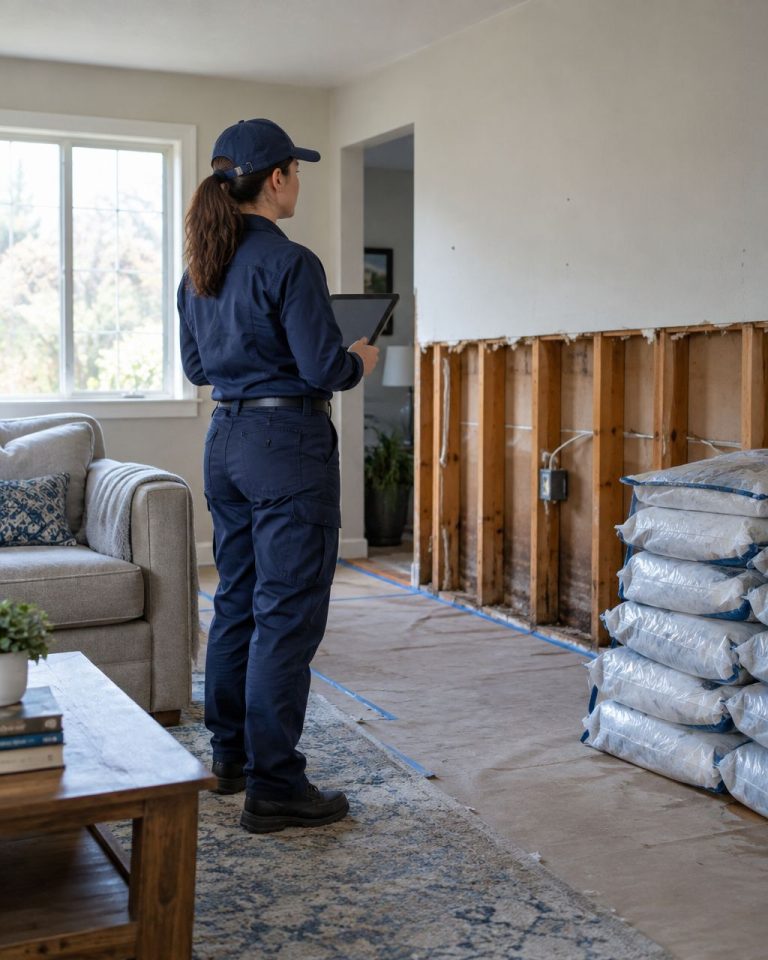
For a finished basement, check wall cavities, flooring assemblies, insulation and contents as appropriate to the assessment. Do not assume every material can be saved. Equally, do not accept complete removal merely because it is the easiest proposal to write.
Require a process for hidden discoveries. The crew should photograph the condition, explain why it changes the work and request approval through the agreed process. The contract should distinguish emergency authorization from later reconstruction decisions.
Keep 3 milestones separate: safe access, cleanup and drying completion, and finished-space restoration. A business can finish its scope at the second milestone without promising the third. You need to know that before signing.
How do you compare cleanup, drying and rebuild options?
| Route | Best for | Advantage | Limitation |
|---|---|---|---|
| Restoration company coordinating cleanup and drying | Water-affected materials and contents | One lead for the mitigation stage | Does not necessarily repair the source or rebuild |
| Restoration plus a separate plumber or drainage specialist | A defined source outside the cleanup scope | Trade-specific investigation | Requires a documented handoff |
| Contractor managing mitigation and reconstruction | A finished basement needing several stages | One coordination point if included | Verify expertise and exclusions for each stage |
Do not choose solely by the shortest promise. Compare what each business will document at completion and who responds if the moisture problem reappears. A short schedule with no stated completion standard is not useful.
Handvetted's basement restoration match is best for homeowners who want a screened starting point. The limitation is that the assigned business still needs to inspect the basement and establish whether it handles every stage. Ask about additional trades before authorizing a bundled job.
How do you verify the business and crew?
Ask for the legal business name, current insurance and relevant licenses for the work being performed. Confirm any required license with the issuing authority. Find out who supervises and whether plumbing, electrical or structural work will be subcontracted.
A company should explain comparable basement jobs without disclosing another customer's private information. Ask what changed between initial inspection and final scope on a similar project. That question tests how the business handles uncertainty.
Use the contractor background-check guide for broader verification. Do not treat a rating as proof that a crew can handle contaminated water or an unstable structure. Those require specific competence and appropriate assessment.
What should you ask your insurer?
Describe the event and ask which policy terms apply. Standard homeowners insurance generally excludes flood; a drain backup or other water event can involve different terms or endorsements. North Carolina's Department of Insurance disaster-preparedness guide makes the flood distinction explicit, but your policy determines your claim.
Ask these questions:
- What loss documentation do you need before cleanup?
- How should emergency protective work be authorized and recorded?
- What should be retained or photographed before disposal?
- Which parts of cleanup, source repair and rebuilding are covered?
- What additional policy or endorsement needs review?
Do not let a contractor's promise of guaranteed coverage replace those answers. A valid repair need and a covered insurance loss are different determinations. Keep estimates and coverage correspondence together but clearly labeled.
Why do basement restoration scopes differ?
Water origin. A known plumbing source and unknown floodwater need different evaluation.
Finishes and contents. Carpet, framing, stored belongings and mechanical equipment create different decisions.
Building condition. Access or structural concerns change when and how work proceeds.
Unresolved entry. Cleaning does not solve failed drainage or a recurring backup.
Reconstruction boundaries. Replacing wall finishes is a separate stage unless expressly included.
These factors explain why a generic online quote is a starting conversation, not a reliable basement plan. In 2026, compare the assessment and responsibilities before comparing the apparent package.
What prevents a repeat problem?
After cleanup, ask for the source-repair recommendations in writing. If another trade is required, schedule that assessment before closing affected surfaces where relevant. Keep records of the original water route and the final corrective work.
Discuss future monitoring with the appropriate professional. Do not buy a waterproofing system solely because the restoration crew mentions it. Require a separate explanation of the diagnosed problem and the proposed fix.
Before using the finished room again, check the agreed completion documentation and remaining work. If a musty odor or dampness persists, report it rather than hiding it with paint or fragrance. A room's appearance is not its moisture assessment.
FAQ
Should I pump out a flooded basement myself?
Get qualified guidance first, especially where structural pressure, electrical hazards or contaminated water are possible. Do not assume every basement can be pumped immediately.
Does basement flood restoration include waterproofing?
Not automatically. Ask whether source correction, drainage and foundation work are included or assigned to a separate specialist.
Can wet basement drywall be kept?
The answer depends on the material, contamination and onsite findings. Require the contractor to explain each retain-or-remove decision.
Will homeowners insurance cover a flooded basement?
Coverage depends on the water source and policy. Standard homeowners policies generally exclude flood; ask about the relevant policy and endorsements.
How do I compare basement flood restoration companies?
Compare safe-access assessment, material decisions, drying evidence and reconstruction responsibilities for the same scope.
When is the basement ready for rebuilding?
Use the agreed professional completion assessment, not the absence of standing water. Ask for documentation and a clear handoff.
One last thing
A dry basement is not a corrected drainage problem. In 2026, keep cleanup and source repair as separate obligations even if one company coordinates both. Handvetted can introduce a restoration professional; the written plan should connect the emergency response to a lasting repair.
Related guides
Sources: FEMA, Stay Safe Cleaning Up After a Flood; EPA, Mold Cleanup in Your Home; NC Department of Insurance, A Consumer's Guide to Disaster Preparedness. Consulted September 2026 for general cleanup and insurance guidance; onsite and local instructions control.