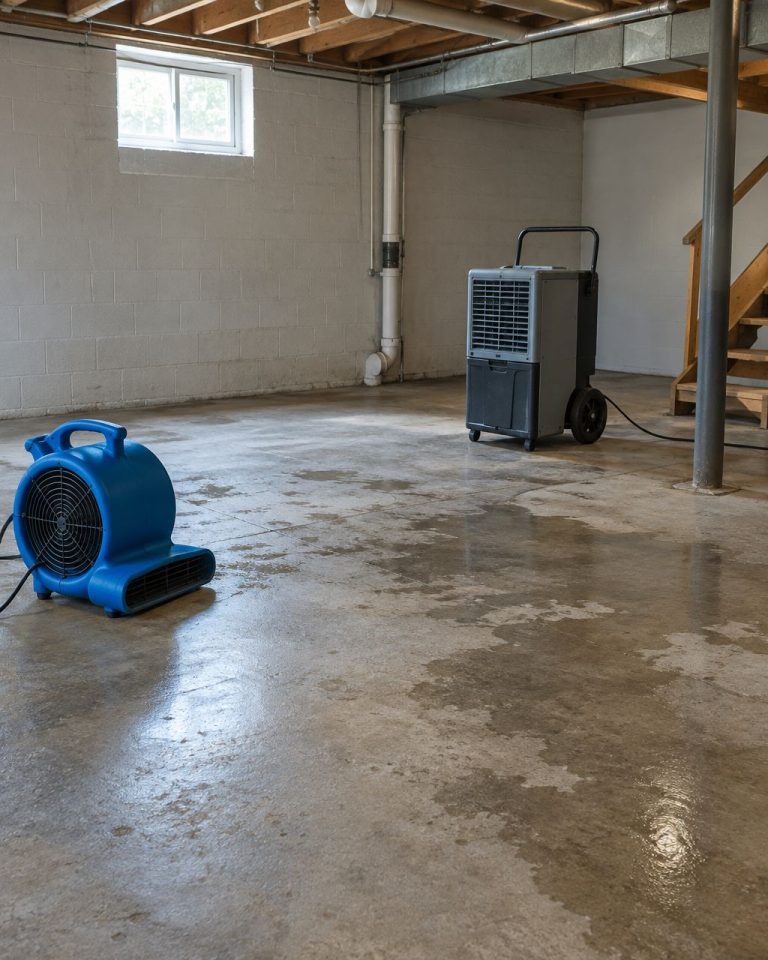
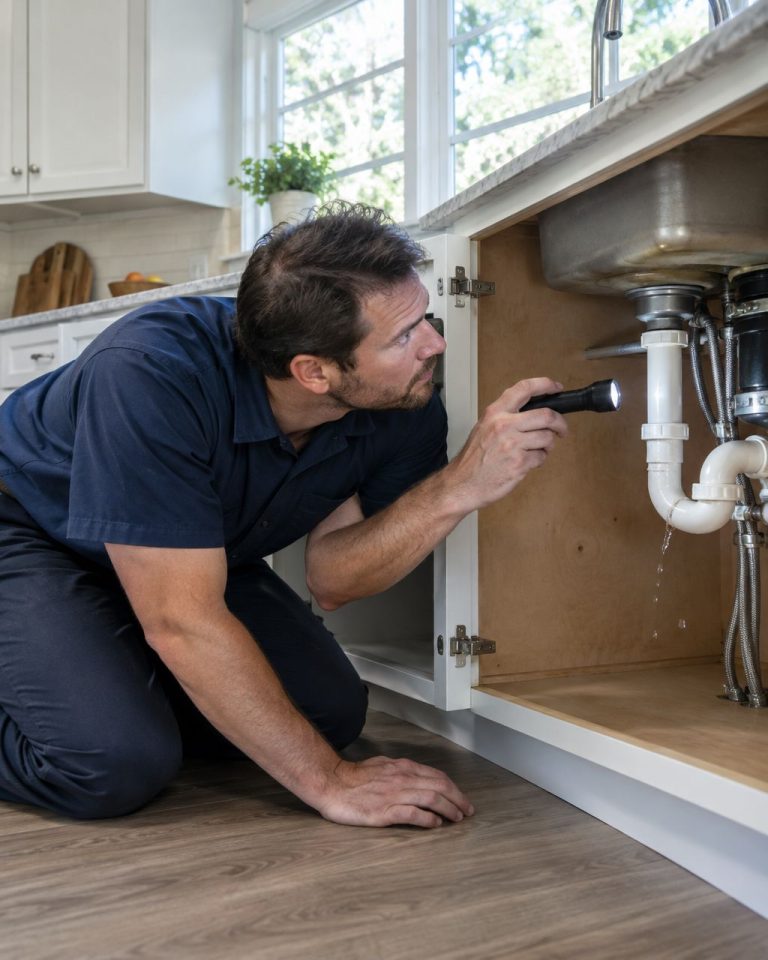
For water damage restoration in Winston-Salem, choose a company that documents what is wet, explains what can be saved and gives you a clear handoff from drying to repairs. In 2026, the most useful proposal is a record of decisions, not a vague promise to return the house to normal.
- Water damage restoration in Winston-Salem needs separate decisions for contents, building materials and reconstruction.
- Photograph losses safely and keep cleanup receipts, as FEMA recommends.
- Handvetted provides one vetted restoration introduction; the assigned contractor must confirm project scope and service availability.
Describe the loss through Handvetted's restoration matching service. Explain whether the water is still entering and whether affected spaces include living rooms, storage or mechanical equipment. A matching service is not the insurer, the electrician or an emergency dispatch center.
What should you look for in Winston-Salem water damage restoration?
Look for a written decision trail: inspected, retained, removed, dried and rebuilt. Each material should have a stated treatment and each stage should have a responsible person.
Ask these 5 questions at the assessment:
- What source needs fixing before the room can be restored?
- Which areas have been checked beyond visible damage?
- Why is each material being retained or removed?
- What evidence determines drying completion?
- What will the next contractor receive before rebuilding?
Confirm that the business serves your Winston-Salem address and can perform the proposed work. Do not infer response availability from a general service-area advertisement. Ask who is actually assigned and who supervises the job.
Why this matters
A water-loss project often changes after the first visit. The crew finds an additional wet cavity, a cabinet cannot be saved or a finish turns out to require separate repair. Those discoveries need a documented process rather than a string of verbal updates.
FEMA's cleanup advice, reviewed September 2026, recommends safe photos before cleanup and retaining receipts. EPA's homeowner mold guidance identifies wet materials and persistent moisture as continuing concerns. Neither source says that a room is ready for reconstruction because equipment has been removed.
In 2026, make the handoff part of the original agreement. You should know who stops drying, who approves the next stage and who restores the room. This guide focuses on that recovery sequence rather than ranking local companies without project-specific evidence.
Which professional handles which part of the loss?
| Role | Best for | Useful contribution | Boundary to confirm |
|---|---|---|---|
| Restoration contractor | Assessment, cleanup and drying within its scope | Records affected materials and progress | Source repair and reconstruction are not automatic |
| Plumber or relevant source-repair trade | A failed component or entry route | Diagnoses and corrects the cause | Does not necessarily dry affected finishes |
| Rebuilding contractor | Replacing removed materials and finishing rooms | Coordinates reconstruction | Needs a documented handoff from mitigation |
| Insurer or claims representative | Policy coverage and claim decisions | Explains documentation and covered work | Does not perform restoration |
Some businesses coordinate more than one role. That can simplify communication, but ask which services are performed in-house and which are subcontracted. One company name on the front of a contract does not establish the qualifications of every trade.
Handvetted's restoration matching is best for finding one screened starting point. Its limitation is that the local assignment still needs an assessment and written terms. Handvetted does not determine the source of a leak or promise that every part of a loss is insured.
What should happen before the crew starts?
Establish safe access
Keep people away from standing water around electrical systems, damaged structures and other hazards. Do not enter an unsafe room to take a photograph. Contact appropriate emergency services or utilities when the condition calls for them.
Tell the crew about hazards you observed. If it needs an electrician or another qualified professional before work begins, ask who arranges that assessment. Safety clearance should not disappear into an informal conversation.
Record the initial condition
Take safe photos of affected rooms and belongings. Note when you discovered the water, what you observed and what immediate protective action was taken. Avoid guessing at a concealed cause.
Ask the insurer how it wants losses documented before disposal. FEMA recommends photographs and receipts; your claim instructions add the property-specific requirements. Have the restoration company keep its own work records in addition to your inventory.
Define limited emergency work
If urgent extraction or protection is needed, ask for a limited written authorization. Identify what it covers and what requires a later decision. Emergency work is not a reason to leave the full reconstruction scope blank.
The business should explain what happens if it discovers additional damage. Define who receives the evidence and how approval is recorded. A clear boundary prevents urgent work from becoming an unlimited authorization.
How do you decide what gets saved or removed?
Ask for decisions by material and location. A wet finish, the backing behind it and the cavity beyond it are different parts of the assembly. The plan should show what was inspected and what remains uncertain.
Do not assume that visible staining means every material must be replaced. Also do not assume that a surface can stay because it looks intact. The contractor needs to consider the condition and contamination involved and explain its recommendation.
For porous materials affected by contaminated water, get appropriately qualified advice. EPA warns that failure to remove contaminated materials and reduce moisture can present continuing risks. This is not a task to settle by comparing a cleaning spray with a demolition price.
Before removal, ask for these records:
- The affected room and material.
- Photos or observations supporting the decision.
- The proposed removal boundary.
- Whether belongings or fixtures need separate handling.
- Any newly discovered work requiring approval.
Keep those notes with the insurer's instructions. In 2026, a factual explanation of what was removed is more useful than trying to reconstruct the decision after new finishes cover the area.
What should a drying record tell you?
A drying record should explain the assessed problem, the work performed and how completion is judged. Ask the contractor to describe its measurement process in plain language. You should not have to infer progress from the number of machines running.
Confirm how equipment changes are recorded and who communicates progress. If the crew extends a stage, ask what finding supports the decision. A longer plan is not automatically wrong; an unexplained one is difficult to evaluate.
Separate 3 questions: has standing water been removed, have affected materials met the agreed condition, and is the room ready for the planned reconstruction? They are not interchangeable. Ask which professional confirms each answer.
The completion record should also identify exclusions. If a cabinet, wall cavity or adjoining room was outside the assessed scope, that boundary should be visible. A broad statement that everything is dry is not a substitute for location-specific documentation.
What belongs in the rebuilding handoff?
A useful handoff identifies what was removed, what was retained, the source correction and the agreed drying conclusion. It also names remaining tasks and any needed trade assessments.
Ask the rebuilding contractor to review the record before it measures for replacement finishes. If the new work exposes a condition the first scope did not address, use the change process instead of hiding it under a new layer.
Check the following boundaries:
- Who replaces drywall, trim, flooring or cabinetry.
- Who handles regulated plumbing and electrical work.
- Who arranges any required permits or inspections.
- Whether painting and finish matching are included.
- Who gives warranty and care information at completion.
The project file should connect the stages. In 2026, you should be able to show a future contractor both the original loss and the corrective work without relying on several people's memories.
How do you compare estimates and credentials?
Compare the same work. A proposal including contents handling and reconstruction will differ from a drying-only authorization. Have each company state exclusions and assumptions before choosing.
Verify the legal business name and relevant credentials. Ask for insurance documentation and confirm required licenses with the issuing authority. Determine who supervises and how any subcontracted trades are managed.
Use the contractor background-check guide to structure verification. Then ask for water-loss experience and the actual reporting process. Good paperwork on business identity and good paperwork on the job serve different purposes; you need both.
Do not let a company promise that the insurer will accept its entire invoice. The company can explain the repair need and document the work. Coverage decisions belong to the insurer under the policy.
Why does the restoration sequence change?
The source remains active. Source correction comes before a lasting rebuild.
The inspection finds concealed damage. Documentation and written approval keep the scope accountable.
Materials respond differently. Contents, flooring and wall assemblies need different decisions.
The space has access restrictions. Occupancy and hazards can alter the work order.
Separate trades are required. The drying crew's finish date is not the reconstruction contractor's start date.
Ask the assigned business which factors apply to your Winston-Salem home. These are project questions, not reasons to accept an indefinite timeline or an unlimited contract.
FAQ
How do I choose water damage restoration in Winston-Salem?
Choose a company serving your address that documents affected materials, drying completion and reconstruction responsibilities. Confirm the actual assigned crew and written scope.
Who decides whether wet materials must be removed?
The qualified assessing professional should explain the decision using material condition and contamination concerns. Ask for location-specific documentation before approving removal.
Does the insurance adjuster manage cleanup?
The adjuster handles the claim under the policy, not the cleanup crew. Keep the insurer’s coverage explanation separate from the restoration contract.
Can rebuilding start when the machines are picked up?
Equipment pickup alone is not the completion evidence. Ask who confirms the affected materials are ready for the intended rebuild.
Should I save cleanup receipts?
Yes. FEMA recommends keeping cleanup receipts alongside safe damage photos; follow your insurer’s additional instructions.
What should I ask when more damage is discovered?
Ask for photos, an explanation, a revised scope and approval through the agreed change process. Do not rely only on a verbal update.
One last thing
The best recovery record explains decisions, not just dates. Handvetted can introduce one restoration professional in 2026. Ask that business to leave a clear record of what it inspected, removed, dried and handed to the next trade.
Related guides
Sources: FEMA, Stay Safe Cleaning Up After a Flood; EPA, Mold Cleanup in Your Home. US cleanup and safety guidance consulted September 2026. Individual restoration decisions require onsite assessment and applicable local instructions.