
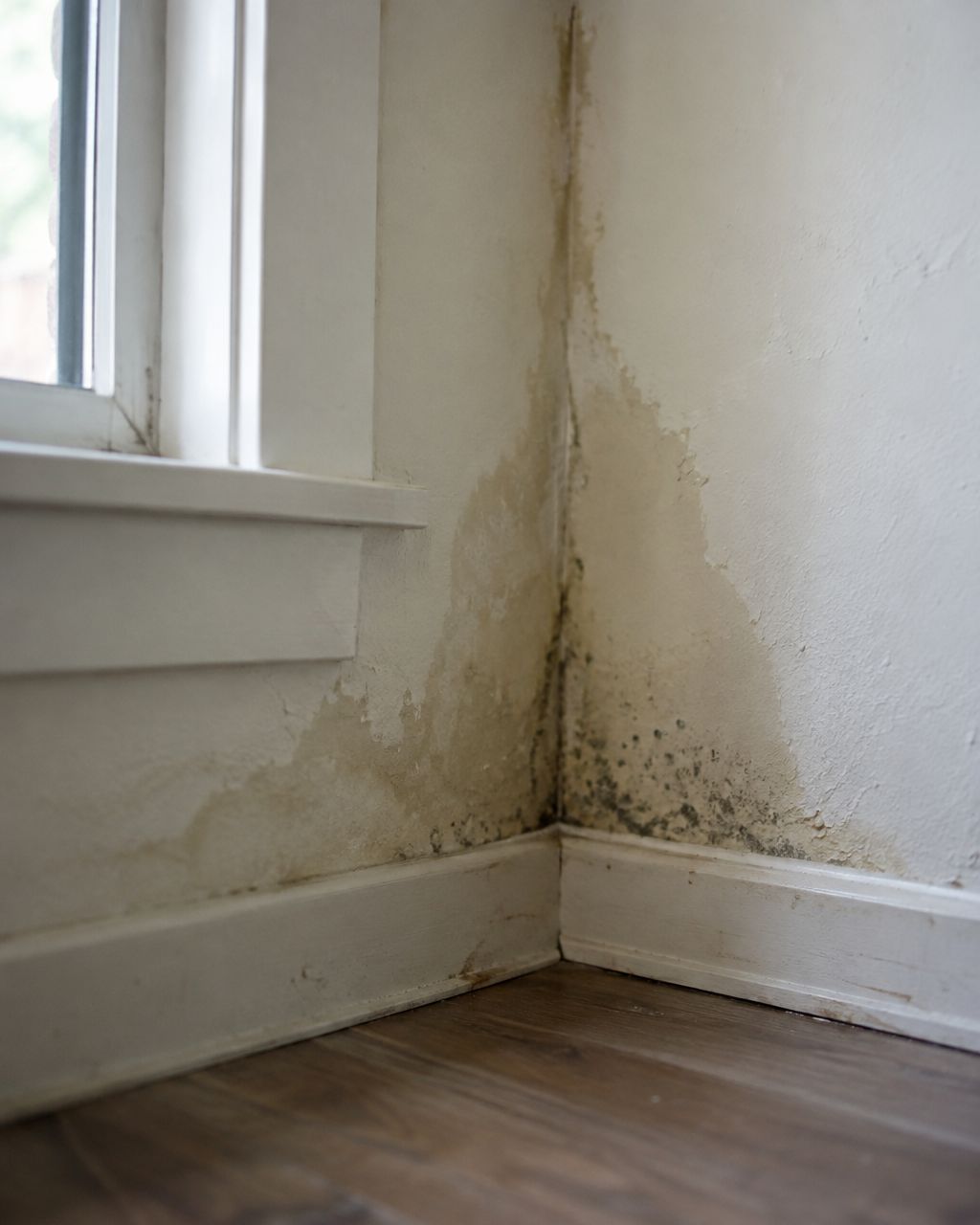
Mold can begin growing on damp building materials within 24 to 48 hours of water damage. That window comes from the EPA's own guidance: dry wet materials within 24-48 hours to prevent mold from taking hold.
- Mold can start growing on damp materials within 24 to 48 hours, per EPA and FEMA guidance.
- Early growth is invisible - musty smell often appears before you see anything.
- EPA's DIY line: under about 10 square feet, most people can handle cleanup themselves.
- Sewage or floodwater damage should always go to a professional remediation company.
The timeline, hour by hour
- 0-24 hours. Materials are wet but nothing is visible. Spores - which are already in the air of every home - land on damp drywall paper, wood framing, carpet padding, and insulation and begin to germinate.
- 24-48 hours. Colonies become active and start producing spores of their own. A faint musty smell in a closet or behind a cabinet is often the first sign.
- 3-7 days. Growth becomes visible: spotting on walls and ceilings, discoloration on baseboards, darker patches on grout and window sills.
- 1-3 weeks. If moisture persists, growth becomes widespread inside wall cavities and under flooring - the point where remediation is dramatically more expensive than drying would have been.
FEMA's mold guidance confirms the same starting window: colonies "can start to grow on a damp surface within 24 to 48 hours" and keep growing until the moisture source is eliminated.
What speeds it up or slows it down
Mold needs moisture, a food source, and time. Building materials are the food source. What varies the timeline:
- Humidity. Warm, humid air shortens the window; a dry, heated room extends it.
- Material. Porous materials (drywall paper, carpet, particle board) colonize fastest. Sealed or non-porous surfaces (tile, metal) resist longest.
- Water type. Clean water from a supply line gives you more time. Sewage backup or floodwater brings contamination along with the moisture - treat those as a professional job from the start.
- Airflow. Stagnant, closed-up rooms grow mold faster than ventilated ones.
What to do in the first 48 hours
- Stop the water. Shut off the supply, cap the leak, or wait out the storm - no drying works while water is still entering.
- Remove standing water. Mop, pump, or wet-vac as much as you can reach.
- Pull wet materials off surfaces. Lift area rugs, move furniture off wet carpet, open closet doors.
- Dry hard. Fans plus a dehumidifier, windows open when outdoor air is drier than indoor air. The goal is damp-to-dry within 24-48 hours, not damp-to-eventually.
- Watch humidity. Keep indoor relative humidity below about 50 percent. A $20 hygrometer tells you whether your drying is actually working.
When to DIY and when to call a professional
The EPA's line is about size: if the moldy area is less than about 10 square feet (roughly a 3 ft. by 3 ft. patch), most homeowners can handle cleanup themselves with soap and water, thorough drying, and disposal of unsalvageable porous items.
Call a professional remediation company when:
- the affected area is larger than about 10 square feet,
- the water was sewage or outdoor floodwater,
- mold keeps returning after you clean and dry the same spot,
- you smell mold but cannot find it (growth inside wall cavities or under flooring),
- anyone in the home has asthma, allergies, or a compromised immune system.
A professional will document moisture readings, set containment to keep spores from spreading, and fix the moisture source - our guide to choosing mold remediation contractors walks through exactly what to check before hiring.
Why the window matters more than the mold itself
The 24-48 hour rule is really a drying rule. Homeowners who dry thoroughly in the first two days usually avoid a mold problem entirely. Homeowners who wipe the visible water and move on often discover weeks later that the inside of the wall never dried - and by then the remediation scope includes opening walls, removing insulation, and replacing materials. The cheapest mold remediation is the one that never starts.
How Handvetted matches restoration professionals
Handvetted connects homeowners with one licensed, background-checked, highly rated local restoration professional. Applications are screened for an active license, background checks on owners and operators, verified ratings of 4.5 stars or higher, and a human review before approval. You describe the damage - source, rooms affected, timeline - and Handvetted selects one verified professional and briefs them before contact. The service is free for homeowners, and if the match is not right, Handvetted offers a free rematch.
FAQ
How fast does mold grow after water damage?
Mold can begin growing on damp materials within 24 to 48 hours, per EPA and FEMA guidance. Early growth is invisible; a musty smell is often the first sign.
Can I stop mold if I dry everything within 48 hours?
Usually yes. Drying wet materials within 24-48 hours is the EPA's core prevention advice. Materials that stayed soaked beyond that window should be checked before you close anything up.
How much mold can I safely remove myself?
The EPA's guideline is under about 10 square feet - roughly a 3 ft. by 3 ft. patch - for DIY cleanup. Larger areas, sewage contamination, or recurring growth warrant a professional.
Does mold grow faster in some materials?
Yes. Porous materials like drywall paper, carpet padding, and insulation colonize fastest. Hard surfaces like tile and metal resist growth much longer.
What humidity level prevents mold?
Keep indoor relative humidity below about 50 percent. A small hygrometer costs little and tells you whether drying is actually working.
Is mold from a sewage backup a DIY job?
No. Sewage and floodwater carry contamination along with moisture. EPA guidance treats these as cases where professional cleanup is warranted regardless of area size.
Related guides
- Water damage restoration in Winston-Salem, NC: hiring guide
- How do you choose a basement flood restoration company?
Source note: EPA, A Brief Guide to Mold, Moisture and Your Home and Mold Cleanup in Your Home; FEMA, Mold & Mildew brochure. Checked October 9, 2026.
Get Matched
Tell us what you need. We will find your pro. Get Matched.