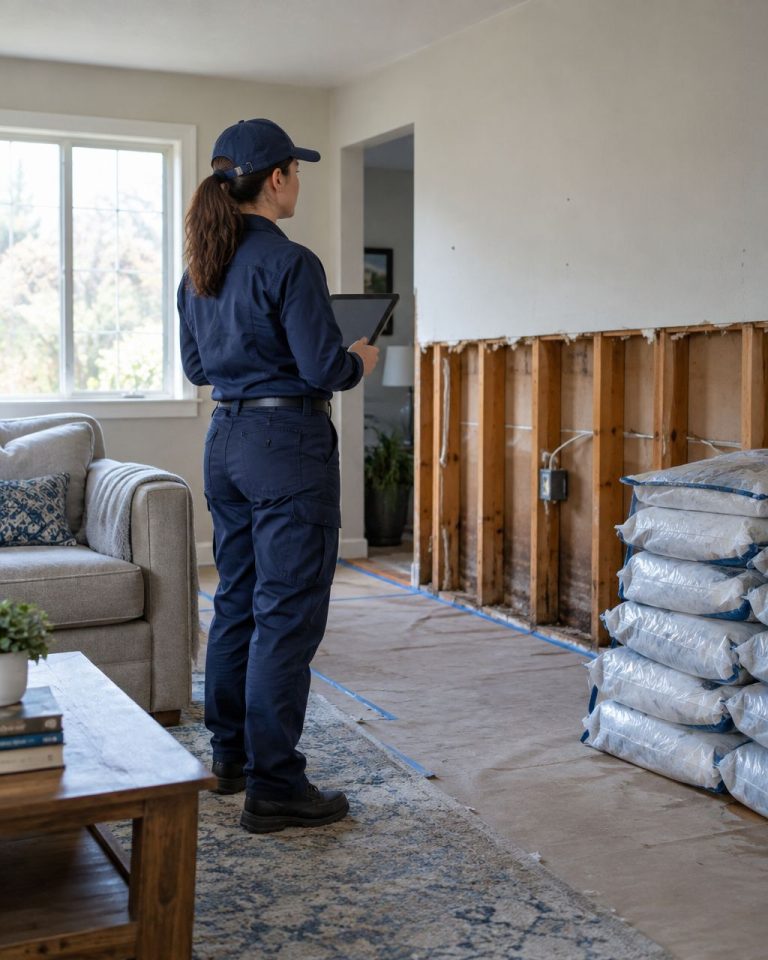
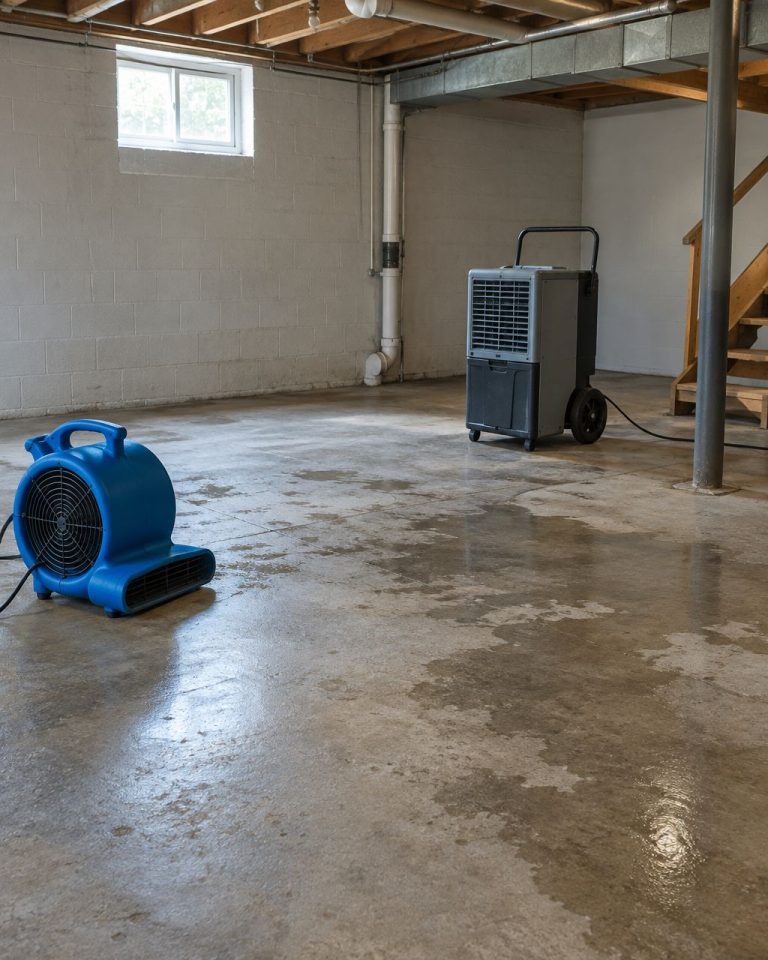
Choose mold remediation contractors who find and fix the moisture source, remove contaminated material where needed and explain how they will check the work. In 2026, a treatment that leaves the leak in place is not a lasting cleanup.
- The best mold remediation contractors investigate moisture, describe containment and specify what will be cleaned or removed.
- EPA says many areas under about 10 square feet can be cleaned by homeowners, with important exceptions.
- Handvetted can introduce one licensed, background-checked restoration professional; confirm the assigned person’s mold experience and scope.
You can describe a mold or water-damage project through Handvetted's restoration matching page. Handvetted says it matches you with one licensed, background-checked local professional. Still ask that person who will do the mold-specific work and whether any separate trade will fix the underlying leak. A matching service is a starting point, not a diagnosis.
Why this matters
Mold grows where moisture persists. The U.S. Environmental Protection Agency says indoor mold cleanup must include both removing mold and fixing the water problem; otherwise it will likely return. That makes source control the central question in every contractor interview in 2026, ahead of an impressive-sounding chemical treatment.
A visible patch can come from a plumbing leak, roof leak or chronic condensation. A musty smell after water damage can point to material you cannot see. Do not open a wall yourself to investigate suspected hidden mold: EPA warns that disturbing concealed growth can release spores and suggests considering an experienced professional.
How do you choose mold remediation contractors in 2026?
Pick the contractor whose written plan deals with water first and specifies what happens to affected materials. Use the same questions with every candidate so the answers can be compared.
- Describe where you see or smell the problem. Note any recent flooding, leaks, dampness or repeated stains. Photograph the area without disturbing it.
- Ask for a source investigation. The contractor should explain how it will find the moisture source and who will fix it. Do not assume mold cleanup includes plumbing or roofing repairs.
- Ask for an area-by-area plan. It should identify affected materials and say which are cleaned, which are removed and what is protected from disturbance.
- Discuss containment and worker protection. Ask how the crew will avoid spreading dust into occupied areas and how the workspace will be controlled.
- Check credentials and coverage. Confirm the company's legal name, applicable state or local requirements, insurance and who supervises the work. Rules differ by location.
- Set a completion standard. Ask what visible condition, dryness and documentation will be checked at the end.
- Get the boundaries in writing. Confirm who repairs the water source and who restores drywall, flooring or finishes after cleanup.
A company that promises to make a building permanently mold-free is promising the wrong thing. EPA says mold spores exist in indoor air and dust; the practical goal is to remove growth and control moisture so it cannot keep growing.
Do you need a professional for every mold patch?
No. EPA says that if the moldy area is less than about 10 square feet, in most cases a homeowner can handle cleanup following its guidance. That is about a 3-foot-by-3-foot patch, not a blanket permission to clean any small-looking problem. Sewage or contaminated water, suspected hidden growth and health concerns require a different judgment. Consult EPA guidance and a qualified professional for complex situations.
| Situation | Sensible next step | What to ask |
|---|---|---|
| Small visible area with an understood moisture source | Review EPA homeowner-cleanup guidance | Can the water problem be fixed now? |
| Repeated growth after cleaning | Investigate recurring moisture | Is a leak or ventilation problem unresolved? |
| Musty smell without a visible source | Consider an experienced professional | How will hidden moisture be located without needless demolition? |
| Extensive or flood-related damage | Seek an appropriately experienced team | What will be contained, removed and dried? |
| People with health concerns in the home | Consult a health professional as appropriate | Are there exposure precautions for occupants? |
The table is a decision guide, not a medical diagnosis or a rule for insurance coverage. A small patch on the surface of a wall can still be connected to a larger leak behind it; the inspection and moisture history matter.
What belongs in a written mold-remediation scope?
The scope should tell you where the work starts and stops. Ask the contractor to identify the moisture source, affected rooms or surfaces, planned containment, removal and cleaning methods, drying or repair responsibilities, and a completion check. If the company has not yet inspected hidden areas, it should explain how newly found damage would be documented and approved before more work begins.
The moisture-source fix
Make it clear who is responsible for stopping the water. A remediation crew may dry and clean a room but may not replace a leaking pipe or repair a failed roof flashing. Have those tasks identified separately. Without the source fix, a fresh finish can hide a returning problem.
EPA's mold-and-moisture guidance states that cleaning without fixing the water issue will most likely allow the problem to recur. The 2026 contractor quote should therefore make the leak or condensation remedy visible, even if another licensed trade performs it.
Containment and material decisions
Ask what happens to drywall, insulation, carpet or other affected materials. Different materials require different decisions; do not accept a one-line promise to spray every surface. The company should explain the affected area, how it will limit the spread of debris, what will be discarded and what will be cleaned.
EPA says routine use of biocides such as chlorine bleach is not generally recommended in mold cleanup. Dead mold can still trigger reactions; killing it is not enough. A contractor should explain physical removal and moisture control, not sell a chemical as a substitute for them.
Documentation and completion
Before work begins, agree on what completion looks like. Ask for photos or a record of removed materials, the moisture repair and the areas inspected after cleaning. If testing is proposed, ask why it is needed and who interprets it.
EPA says sampling is unnecessary in most cases when visible growth is present, and there are no EPA or federal mold-spore limits that turn a generic air-test result into a federal pass or fail. Testing may still have a specific investigative purpose. Demand that purpose in writing rather than buying a test simply because it sounds scientific.
What credentials and questions help separate contractors?
Ask for the legal business name, the identity of the crew lead, evidence of relevant experience and current insurance. Verify any license required for the specific trade and location with the authority that issues it. A mold-specific certification can describe training, but it does not replace a required business or trade license and is not proof of good work by itself.
Use direct questions:
- What caused the moisture, and what evidence supports that conclusion?
- Which areas will you isolate, clean, remove or leave untouched?
- Who fixes the roof, pipe or drainage issue, if that is the cause?
- How do you keep work from spreading debris into other rooms?
- How will you show me that the source is repaired and materials are dry?
- What happens if opening a wall reveals more damage?
- Which parts of the job are not included in your quote?
For additional checks on license, insurance and the company behind a quote, read this homeowner contractor-background guide. It complements, rather than replaces, a mold-specific scope.
Which mold-cleanup pitches should you avoid?
Guaranteed zero mold. EPA says you cannot eliminate every indoor spore. The useful promise is a defined cleanup and moisture fix, not sterile air forever.
Chemical-only treatment with no water repair. Ask how the affected material will be cleaned or removed and what stops new growth. A spray is not an answer to a leak.
Mandatory testing without a reason. When mold is visible, EPA says sampling is generally unnecessary. An inspection can still reveal other concerns; require a specific reason for extra tests.
No distinction between remediation and rebuild. A crew may remove damaged drywall but not restore the room. Know who is responsible for finishing.
A one-size-fits-all quote by photograph. A photo helps describe a concern, but it may not identify hidden moisture, affected material or safety considerations. An onsite assessment can change the scope.
Why do mold-remediation plans differ?
The source of water differs. A current plumbing leak needs a different fix from long-standing condensation. The mold cleanup should not hide the cause.
The materials differ. Nonporous surfaces and water-damaged porous materials are not necessarily treated the same way. Ask why each material is being saved or removed.
The extent may be hidden. Water can travel behind finish surfaces. The contract needs an approval process for discoveries made after opening them.
The household's needs differ. A person with asthma or symptoms should discuss concerns with a health professional. The contractor should explain how occupied areas will be protected during work.
The next trade may differ. The firm doing cleanup may not do plumbing, roofing or rebuild work. Compare complete plans, not just a remediation line item.
FAQ
What is the most important question for a mold remediation contractor?
Ask what caused the moisture and who will fix it. EPA says mold is likely to return if the water problem remains.
Can I clean a small mold patch myself?
Often, yes. EPA says areas under about 10 square feet can in most cases be cleaned by homeowners following its guidance, but contamination and hidden damage change the decision.
Do I need a mold air test before cleanup?
Not usually when growth is visible. EPA says sampling is unnecessary in most such cases; ask what decision a proposed test would change.
Will bleach alone solve a mold problem?
No. EPA does not recommend routine biocide use as the core cleanup method; growth must be removed and the moisture source corrected.
Does mold remediation include fixing a leak?
Not unless the written agreement says it does. Ask who repairs the water source and whether a separate licensed trade is needed.
How do I know when remediation is finished?
Ask for a completion check covering the cleaned area, remaining visible growth, moisture-source repair and documentation. Agree on that standard before work starts.
One last thing
Do not buy a mold treatment without a moisture plan. In 2026, Handvetted can introduce one restoration professional; your written contract still needs to say what will be cleaned, what will be repaired and how you will know the job is done.
Related guides
Source: U.S. Environmental Protection Agency, A Brief Guide to Mold, Moisture and Your Home and Mold Cleanup in Your Home, consulted September 2026; recommendations are general, not a substitute for medical advice or local requirements.