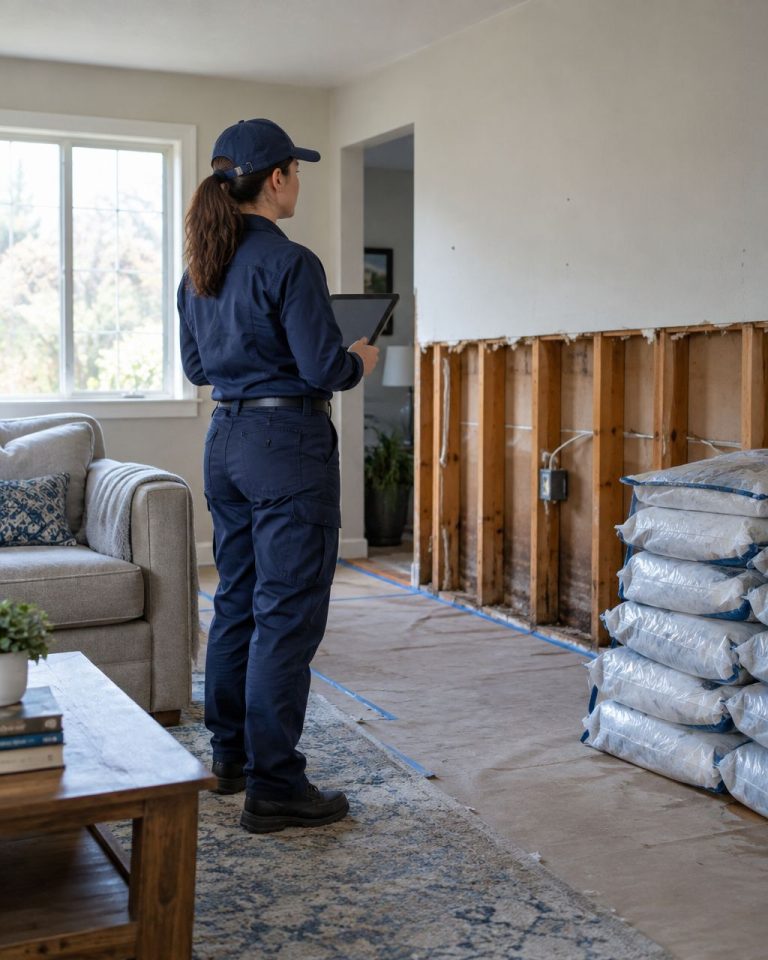
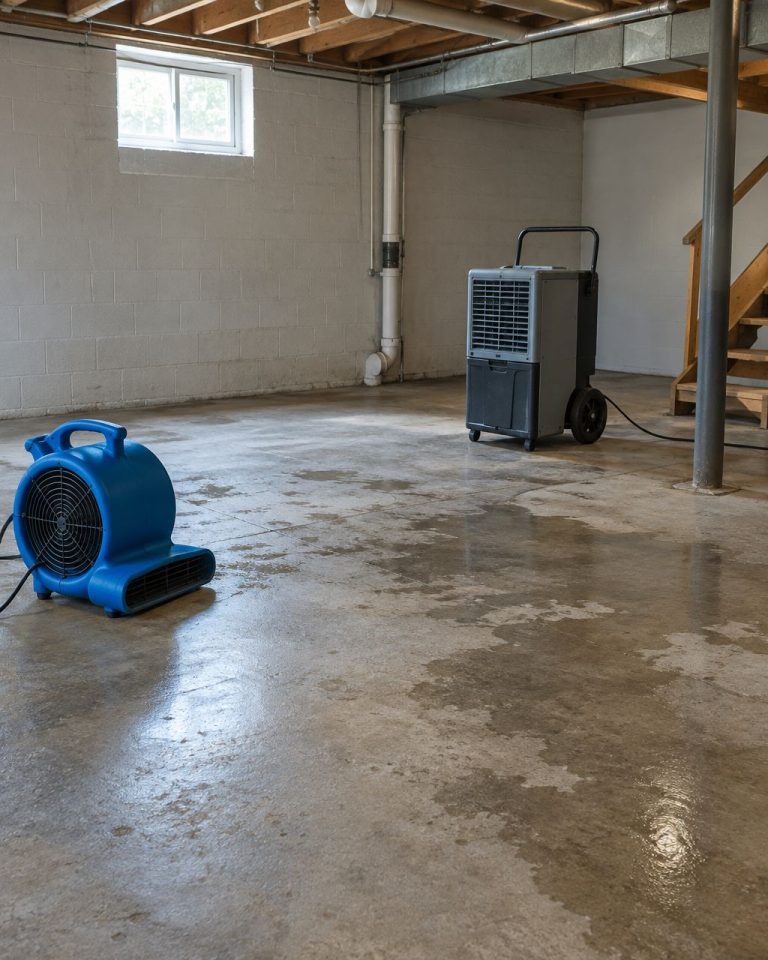
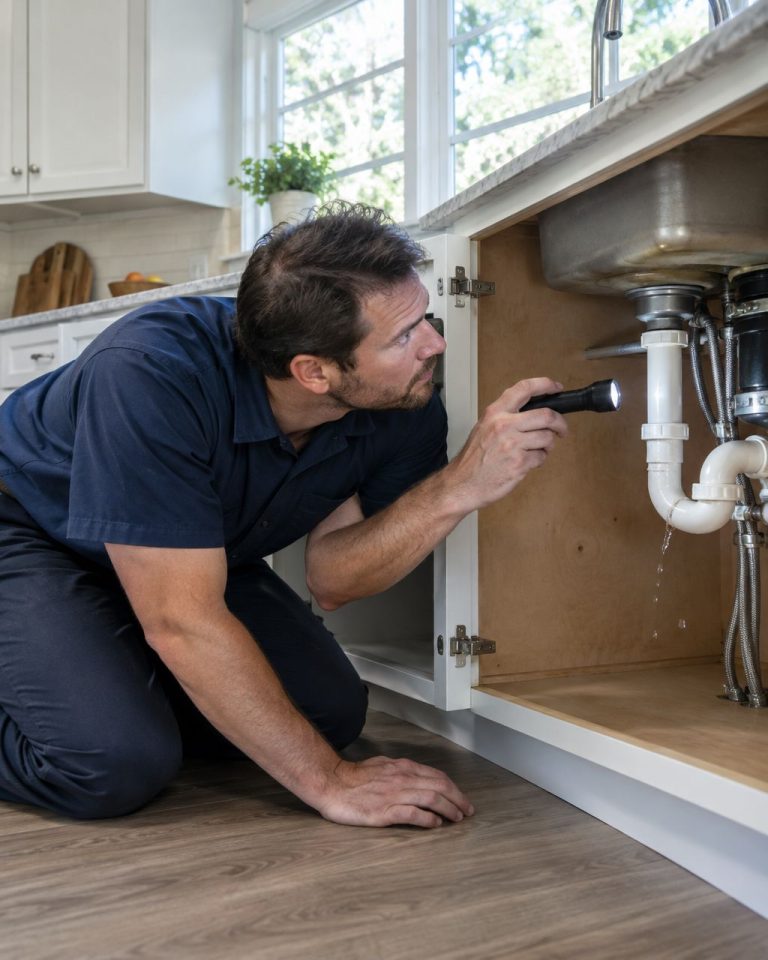
In 2023, residential fires in the United States caused $11.3 billion in losses, while nonresidential building fires caused another $3.2 billion in direct property losses, according to the U.S. Fire Administration estimates summarized by IBISWorld. Those figures represent more than burned walls. They represent waterlogged floors, smoke-filled ductwork, damaged contents, unstable structures, and insurance decisions that can affect when and how a property gets rebuilt.
If you're asking what is fire damage restoration, the practical answer is this: it's the controlled process of making a fire-damaged property safe, removing contamination, stopping secondary damage, documenting the loss, and returning the building and its contents to a usable condition. It isn't a quick soot wipe-down, and it shouldn't end when the walls look clean.
Table of Contents
- What Fire Damage Restoration Actually Means
- Why Smoke and Soot Are More Than Visible Residue
- The Real Fire Restoration Process From Emergency To Clearance
- Smoke Odor Removal Methods And Air Cleaning Options
- Hidden Smoke Contamination And Safety Verification Steps
- How Insurance Scope And Coverage Affect Restoration Decisions
- How To Choose A Vetted Fire Restoration Professional
What Fire Damage Restoration Actually Means
Fire damage restoration starts after the flames are out. A crew may first secure damaged openings, assess structural conditions, remove standing water, and separate belongings that can be saved from those that need specialized treatment. Only then can detailed cleaning, odor work, repairs, and final verification proceed safely.
Federal wildfire recovery guidance from the National Interagency Fire Center describes post-fire work as a staged process. It separates suppression damage repair from emergency stabilization, rehabilitation, and longer-term restoration. Federal guidance places emergency stabilization within one year, rehabilitation within three years, and restoration beyond those initial periods. Residential projects usually move faster, but the principle is the same: recovery has phases, and each phase has a different purpose.
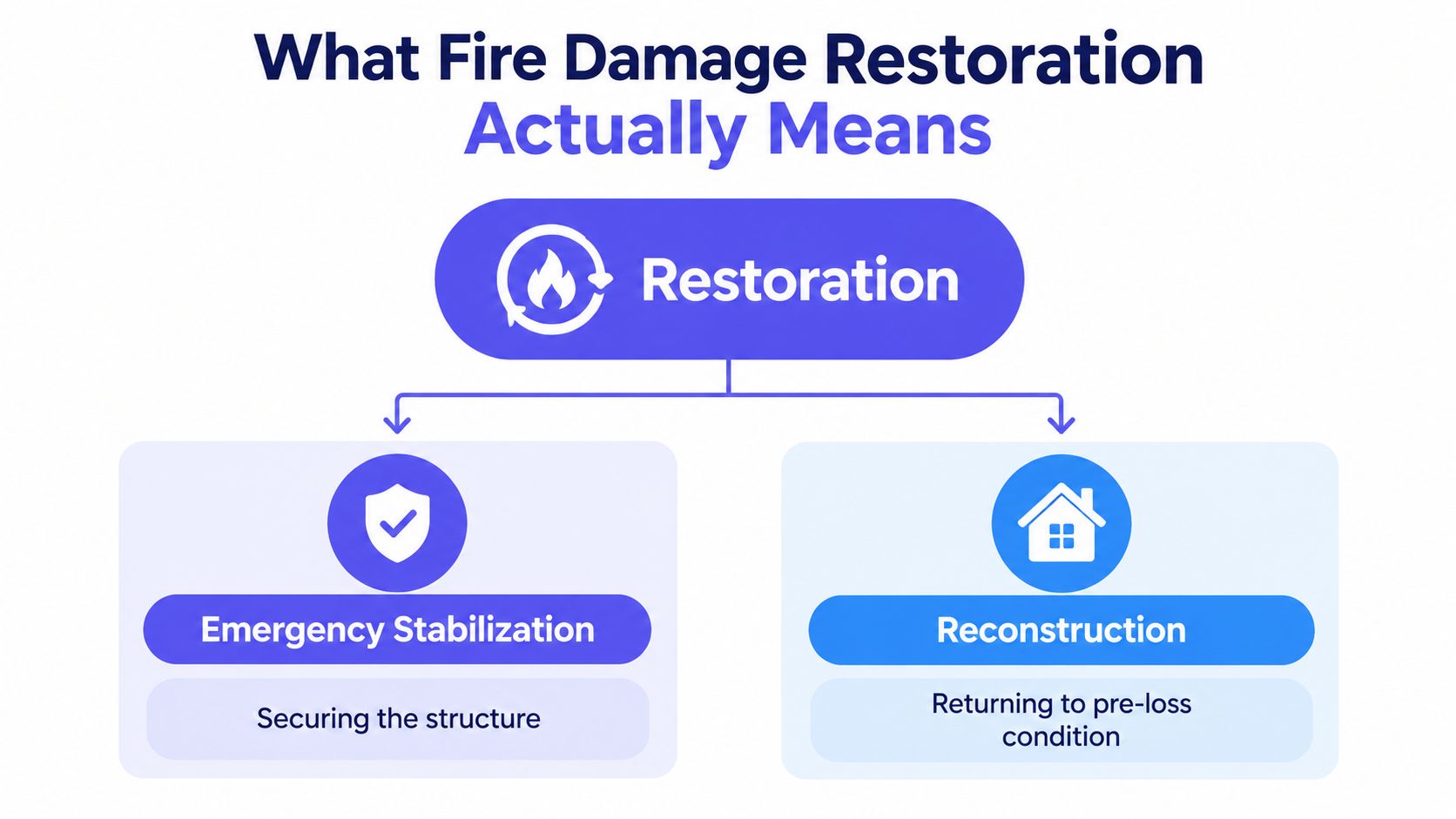
The two sides of the work
Think of a kitchen fire that stayed mostly in one room. The visible damage may be concentrated around the stove, but smoke can travel through adjoining rooms, while firefighting water can reach cabinets, flooring, and wall cavities. The restoration team has to address both the direct fire loss and the less obvious damage caused by smoke and suppression.
The work commonly combines:
- Emergency stabilization: Securing the building and preventing further exposure to weather, trespass, moisture, or collapse.
- Smoke and soot removal: Classifying residue, cleaning surfaces, and treating contaminated materials.
- Water mitigation: Extracting water, drying structural materials, and locating moisture that is trapped out of sight.
- Contents restoration: Inventorying, cleaning, storing, or replacing furniture, clothing, electronics, and personal items.
- Reconstruction: Repairing or replacing damaged framing, drywall, flooring, finishes, and building systems.
That's why restoration is a multi-trade response, not a single cleaning appointment. The scope should reflect the actual work, and a bid that only covers repainting may leave the most consequential damage untouched.
Why Smoke and Soot Are More Than Visible Residue
Soot isn't one material, and black residue isn't a complete diagnosis. The residue depends on what burned, how hot it burned, and how much oxygen was available. A technician who treats every surface with the same cleaner can spread contamination, drive residue deeper into porous materials, or damage finishes that might otherwise be saved.
Dry soot is generally more carbon-based and relatively neutral. Wet soot, protein residue, and fuel-oil residue behave differently and need different cleaning chemistry. A technical explanation of smoke and odor chemistry recommends an alkaline cleaner in the pH 9 to 11 range for residual soot after dry removal, but that doesn't mean every fire-damaged surface should receive a cleaner in that range.
Why classification comes first
A professional usually starts with observation and testing. The crew looks at the texture, color, spread, odor, and surface type, then chooses a method that fits the residue.
Dry removal may involve a HEPA vacuum or a chemical sponge. A porous ceiling, painted wall, stainless appliance, and unfinished wood surface won't respond the same way. The goal is to lift contamination without grinding it into the substrate.
Practical rule: A technician should be able to explain what residue is present, why a particular method fits it, and how the crew will confirm the surface is clean.
Suppression water adds another complication. Guidance cited in the same technical source notes that chlorinated and nitrogen-containing residues can become corrosive acids when mixed with firefighting water. That reaction can accelerate damage to metals, finishes, and other materials if the residue isn't neutralized promptly.
Visible improvement isn't proof of successful cleaning. A wall can look acceptable while corrosive residue remains inside a porous material or on an unseen surface. Restoration works best when the crew treats chemistry, material type, and contamination level as separate decisions rather than applying a single “fire cleaner” everywhere.
The Real Fire Restoration Process From Emergency To Clearance
A sound project follows a sequence, although the exact order can change with the property's condition. The first priority is stabilization. The last is verification. Cleaning before the building is dry, safe, and properly contained can create more work instead of solving the original problem.
Fire suppression also creates a second emergency. One published restoration guide notes that fire departments may use 500 to 2,000 gallons of water per minute during active suppression in its explanation of fire restoration costs. That's why extraction and structural drying belong in a fire restoration scope, even when the flames caused most of the visible damage.
Six phases that should appear in the plan
Inspection and stabilization
The team maps fire, smoke, heat, and water damage, then secures openings and identifies areas that need restricted access.Water extraction and drying
Crews remove standing water, measure moisture, and dry floors, walls, ceilings, and cavities. Drying equipment alone isn't enough. The team needs repeated moisture checks to confirm that materials are drying.Contents handling
Belongings are documented, sorted, and moved when necessary. Items that look damaged may still be salvageable, while apparently clean items may carry smoke residue.Soot and smoke cleaning
Technicians use dry methods, chemical sponges, HEPA equipment, and wash solutions that fit the residue and surface.Odor treatment and air cleaning
Odor work follows source removal. Treating the smell before removing contaminated materials usually produces temporary results.Clearance and reconstruction
Testing and inspection verify the cleaning before repairs are closed up and belongings return. Reconstruction then addresses damaged building components and finishes.
| Phase | Primary Purpose | Key Risk If Skipped |
|---|---|---|
| Inspection and stabilization | Secure the property and define the damage | Unsafe access or a badly scoped project |
| Water extraction and drying | Stop moisture-related deterioration | Trapped moisture and additional material damage |
| Contents handling | Protect, document, and restore belongings | Lost evidence and unnecessary replacement |
| Soot and smoke cleaning | Remove residue from surfaces and materials | Staining, corrosion, and recurring odor |
| Odor treatment | Address molecules left after source removal | Temporary masking instead of removal |
| Clearance and reconstruction | Verify the result and rebuild | Closing contamination inside the structure |
A useful overview of the trades involved is available in this guide to what a restoration company does. The right question isn't whether a company can clean. Ask whether it can coordinate drying, contents, smoke remediation, testing, repairs, and claim documentation without losing track of the handoffs.
Smoke Odor Removal Methods And Air Cleaning Options
Smoke odor is often embedded in places you can't see, including textiles, insulation, porous wall materials, and HVAC components. Spraying fragrance over those areas doesn't remove the source. It only competes with the odor until the masking agent fades.
A practical odor program begins with source removal and cleaning. The crew then chooses a treatment for the remaining molecules and the areas that cleaning can't reach. The published overview of smoke odor removal methods describes thermal fogging for deeper penetration, followed by ozone or hydroxyl treatment for remaining odor molecules.

How the options differ
Thermal fogging distributes a treatment into difficult-to-reach areas. It can be useful after the crew has removed the physical source, but it shouldn't substitute for cleaning contaminated surfaces or contents.
Ozone treatment can affect persistent odor molecules, but the space needs appropriate controls and must not be occupied during treatment. It's not a casual air-freshening step.
Hydroxyl generation is described as the safer option for occupied spaces because hydroxyl treatment converts contaminants into carbon dioxide and water. The crew still needs to control the source, protect sensitive occupants, and follow the equipment manufacturer's requirements.
Air filtration serves a different purpose from odor treatment. Independent guidance from the University of Colorado's CIRES fire recovery questions and answers recommends HEPA filters for particles and activated carbon filters for volatile organic compounds. It advises against ionic and other electronic air cleaners because evidence is limited and potential negative consequences exist.
Ask what the equipment is designed to remove. A HEPA unit targets particles. Activated carbon addresses certain gases and odors. Neither one proves that surfaces, cavities, ducts, or contents are clean. If people, pets, or medically vulnerable occupants need to remain nearby, the restoration plan should clearly separate occupied areas from treatment zones.
Hidden Smoke Contamination And Safety Verification Steps
Smoke moves with air, not with the boundaries of the room where the fire started. It can enter insulation, drywall, textiles, cavities, attics, basements, duct systems, and other areas that look untouched from the doorway.
A structure fire smoke hazards guide reports that smoke particles can be smaller than 4 microns and lodge in insulation, drywall, and textiles. Another technical source cited in that guidance places soot at approximately 2.5 microns, a size associated with deep lung penetration. Those particles are too small for casual visual inspection to establish that a room is safe.
What verification should include
A credible clearance process may combine:
- Surface wipe testing: Checking whether residue remains on cleaned surfaces.
- Air sampling: Evaluating airborne particulates and relevant combustion byproducts.
- Moisture mapping: Locating damp materials left behind by suppression water or cleaning.
- HVAC and duct inspection: Looking for smoke residue that could be redistributed through the system.
- Cavity inspection: Examining concealed areas where smoke and moisture may remain.
- Post-cleaning review: Confirming that the work addressed the interior, exterior, attic, basement, and other affected zones.
Testing isn't a ceremonial final step. It gives you evidence that cleaning removed contamination instead of hiding it under paint, deodorizer, or new materials. Ask for the findings in writing, including the areas tested, methods used, and any limitations.
A clean-looking room is a visual result. Clearance is a documented conclusion based on inspection and testing.
Insurance documentation also benefits from this approach. Keep the clearance records with the photos, scope, invoices, contents inventory, and repair estimates. If a room with no visible flame damage needs cleaning because smoke traveled there, the written record helps explain why that work belongs in the project.
How Insurance Scope And Coverage Affect Restoration Decisions
Fire claims often become difficult because the visible burn area is smaller than the actual loss. Smoke may affect rooms where no flame appeared, while firefighting water may create a separate category of damage. If the estimate only labels everything “fire repair,” important work can disappear inside a vague line item.
Claims guidance from Allied Public Adjusters explains that smoke damage can extend beyond the fire room and that coverage depends on the smoke source, policy type, and insurer interpretation. The scope should distinguish structural fire loss from smoke cleaning, deodorization, HVAC treatment, contents restoration, and related work.
Build a scope that can be checked
Ask for separate descriptions of:
- Structural fire damage: Burned or heat-damaged framing, walls, ceilings, flooring, and systems.
- Smoke remediation: Cleaning and treatment in rooms affected by smoke, even without direct flame damage.
- Odor control: Source removal and specialized treatments.
- HVAC treatment: Inspection and cleaning of ducts, equipment, and related components.
- Contents restoration: Pack-out, inventory, off-site cleaning, storage, and replacement decisions.
- Water mitigation: Extraction, drying, monitoring, and materials that cannot be saved.
The restoration professional should document where smoke traveled, what materials were affected, and which work is temporary mitigation versus permanent reconstruction. Your adjuster should be able to review the same map and understand the reason for each category.
Use this homeowner insurance claims resource to organize questions before discussions with the insurer. Ask whether the policy treats smoke, water from suppression, contents cleaning, temporary housing, and code-related repairs separately. Don't assume a contractor's estimate automatically defines coverage, and don't assume an insurer's initial scope captures every restoration need.
A qualified professional won't promise that every requested item is covered. They'll explain what the property needs, document the basis for the work, and identify questions that belong with the adjuster. That separation protects both the restoration plan and the claim.
How To Choose A Vetted Fire Restoration Professional
The contractor you choose determines whether the project stops at surface improvement or reaches actual recovery. Fire residue varies by source. Restoration guidance distinguishes among soot types and recommends tools such as HEPA vacuuming and chemical sponges, because protein fires and synthetic-material fires can leave different residues and require different cleaning methods. The overview of fire residue cleaning approaches explains why one method won't fit every fire.
Questions worth asking before you sign
Ask the professional:
- Who will inspect the property? You want a named person responsible for the scope, not only a sales estimate.
- How will the crew classify residue? The answer should address material type and cleaning method.
- How will drying be verified? Look for moisture measurements and monitoring, not just fans placed in the room.
- What testing supports clearance? Ask about wipe testing, air sampling, moisture mapping, and written results.
- How will contents be handled? The process should include inventory, condition notes, storage, and approval before disposal.
- How will the estimate be separated? Structural repairs, smoke cleaning, odor work, HVAC treatment, contents, and water mitigation should be understandable.
- Who holds the required license and insurance? Verify active state licensing and ask for current documentation.
- How are operators screened? Background screening, recent customer ratings, and human review add useful accountability.
Be cautious with anyone who guarantees a fast finish without discussing contamination, drying, contents, or clearance. A professional can give you a path forward without pretending the damage is simpler than it is.
A matching service can reduce the first search step when you're overwhelmed. Damage restoration companies should still be evaluated against the same standards: active licensing, background screening, strong recent ratings, clear communication, residue-specific methods, and documented verification.
Start by creating one folder for photos, estimates, policy documents, receipts, contents lists, and test results. Then request a written scope from a qualified restoration professional and compare the scope to what your insurer has documented. That gives you a concrete plan instead of forcing you to make decisions from a room that only looks clean.
Hand Vetted Co. connects you with one licensed, background-checked, 4.5-plus-star rated restoration professional for fire damage, smoke cleanup, odor removal, and rebuilding. Visit Hand Vetted Co. to answer a few project questions and receive one exclusive match, rather than having your information sent to multiple businesses.