
Homeowners insurance covers mold remediation only when the mold is the result of a sudden, accidental event the policy already covers — a burst pipe, a washer hose that split, an overflowing toilet. Mold from a slow leak, high humidity, neglect, or flooding is almost always excluded, and policies that do cover it commonly cap the amount.
- Coverage turns on cause: sudden and accidental water damage is usually covered; gradual leaks and humidity are not.
- Most standard policies exclude mold or cap coverage at roughly $5,000–$10,000.
- Flood-driven mold is never covered by a homeowners policy — flood damage needs separate flood insurance.
- Add-ons exist: hidden water damage endorsements and water backup coverage extend what mold is covered.
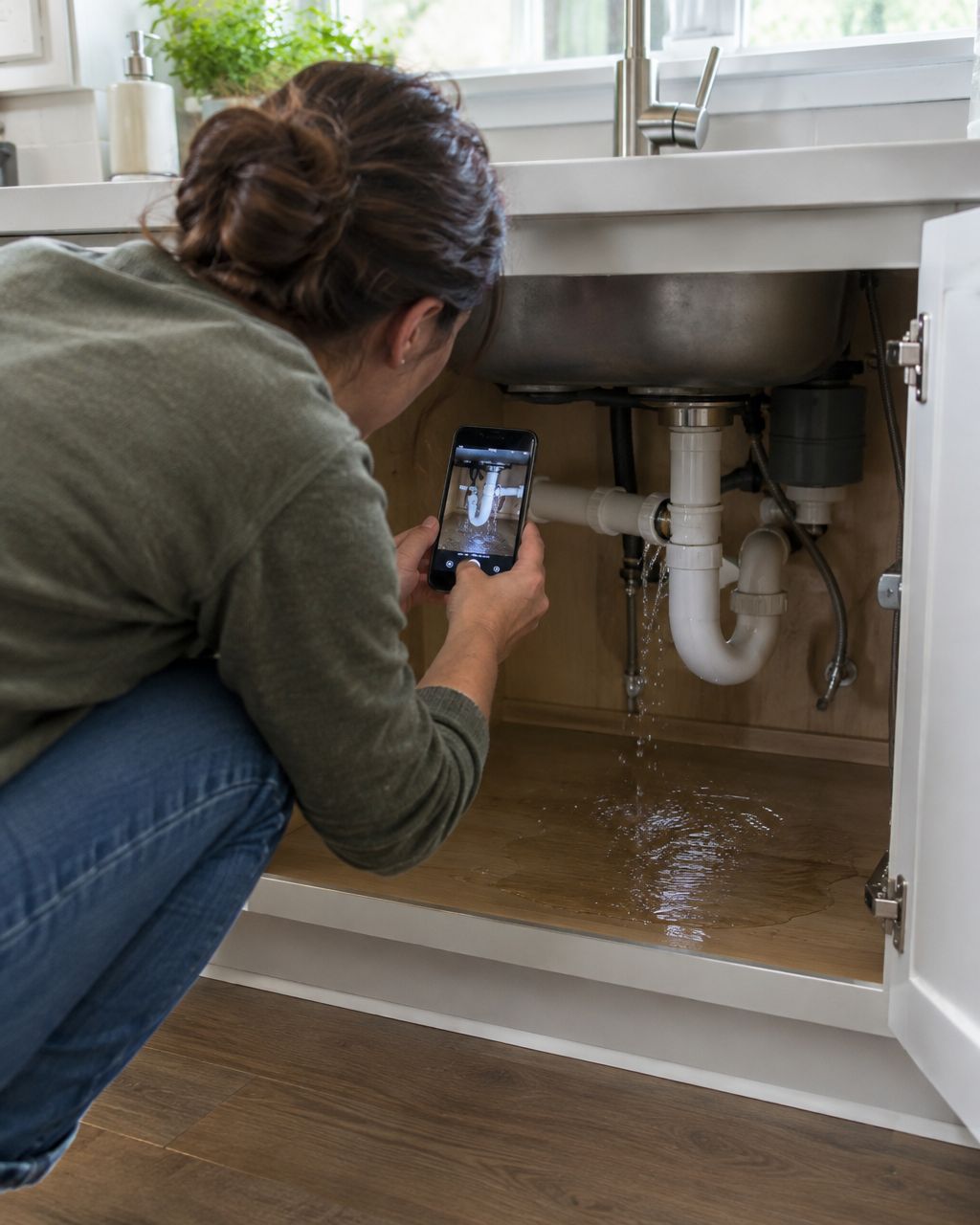
- Document the cause, not just the mold — the claim lives or dies on what made the water appear.
The rule: covered cause, covered mold
Every major consumer source states the same test. Mold is covered when it grows from water damage caused by a covered peril — the sudden burst pipe, the appliance hose that failed without warning. Mold is not covered when it grows from high humidity, deferred maintenance, a slow leak you lived with, or any event the policy excludes. The cause is what the claim is about; the mold is the consequence.
What that looks like in practice:
| The cause | Typical coverage |
|---|---|
| Burst supply pipe, sudden appliance leak | Usually covered, up to policy limits |
| Overflowing toilet or washing machine | Usually covered |
| Slow leak under a sink that went unnoticed for months | Usually excluded — gradual damage |
| High humidity, condensation, poor ventilation | Not covered |
| Flooding from outside | Not covered — flood needs separate flood insurance |
| Sewage or water backup | Covered only with a backup endorsement |
The cap most policies carry
Even where mold is covered, most standard policies either exclude mold outright or cap the coverage — consumer guides commonly put the cap at $5,000 to $10,000. Given that mold remediation in a home commonly runs from roughly $1,200 to $3,750 for typical jobs and well beyond that for large or structural cases, the cap matters: a covered burst pipe with mold behind a wall can exceed a $10,000 mold cap quickly.
Ask your carrier two questions in writing: what mold coverage exists on the policy, and what cap applies. Both are policy questions, and the answer decides what a claim can pay before remediation starts.
The add-ons that extend coverage
Endorsements exist for exactly the gaps: a hidden water damage endorsement (covers a leak you could not have seen) and water backup coverage (sewage or drain backup, the most common uncovered mold cause). Some carriers also offer a dedicated mold endorsement that raises the cap. Each costs premium; whether one is worth it depends on your home's plumbing age, basement, and climate.
Filing a mold claim
- Stop the water and dry fast. Coverage aside, materials dried within 24–48 hours usually avoid the mold problem entirely — the EPA's core advice.
- Photograph the cause. The burst pipe, the split hose, the water line — not just the mold on the wall.
- Call the carrier before remediation starts. Sudden water damage claims generally should be opened promptly; a claim opened weeks later invites a coverage dispute.
- Keep records of every step. Moisture readings, the remediation company's scope and invoice, the drying log.
- Read the adjuster's coverage decision. If a claim is denied as "gradual," ask for the written basis — and see our guide to filing a water damage claim for the documentation a claim needs.
When the claim is denied
A denial based on "gradual damage" or "neglect" is not always the end. If the leak was genuinely hidden and sudden once discovered, some carriers reconsider with evidence — a plumber's report dating the failure, moisture readings, photos. Beyond that, a public adjuster can review the coverage decision; the fee is a percentage capped by state law, which our guide to public adjuster costs explains.
Preventing the uncovered kind
The mold that insurance does not cover is also the cheapest to prevent: fix small leaks the week they appear, keep indoor humidity below about 50 percent, vent bathrooms and kitchens outside, and insulate cold surfaces that sweat. Homeowners policies pay for accidents; they do not pay for the drip that was always there.
FAQ
Does homeowners insurance cover mold remediation?
Only when the mold results from a sudden, accidental event the policy covers, like a burst pipe. Mold from humidity, slow leaks, or neglect is excluded, and policies commonly cap mold coverage at $5,000–$10,000.
Is mold from a slow leak covered?
Usually not. Gradual damage from a leak that developed over time is excluded under most policies, though a genuinely hidden leak may qualify for coverage under a hidden water damage endorsement.
Is mold after a flood covered?
No. Flood damage — and any mold from it — is excluded from standard homeowners policies. Flood insurance is a separate policy through the NFIP or private carriers.
What is the mold cap on a typical policy?
Consumer guides commonly cite $5,000–$10,000 where coverage exists. Ask your carrier in writing what cap applies to your policy.
Can I add mold coverage to my policy?
Often. Hidden water damage endorsements, water backup coverage, and in some cases a dedicated mold endorsement raise what mold-related losses are paid. Ask your carrier what each costs.
What should I photograph for a mold claim?
The cause, not just the growth: the burst pipe or failed hose, the water line, the source — plus the affected areas and everything you discard.
Related guides
- Homeowner insurance claims: a practical filing guide
- House insurance claim for water damage
- How much does mold remediation cost?
Source note: NerdWallet, Does Homeowners Insurance Cover Mold (2026); U.S. News, When Does Home Insurance Cover Mold; Abkarian Law Group, Is Mold Remediation Covered by Homeowners Insurance (August 2026); Business Insider, What Does Homeowners Insurance Cover; EPA, A Brief Guide to Mold, Moisture and Your Home. Checked October 20, 2026.