
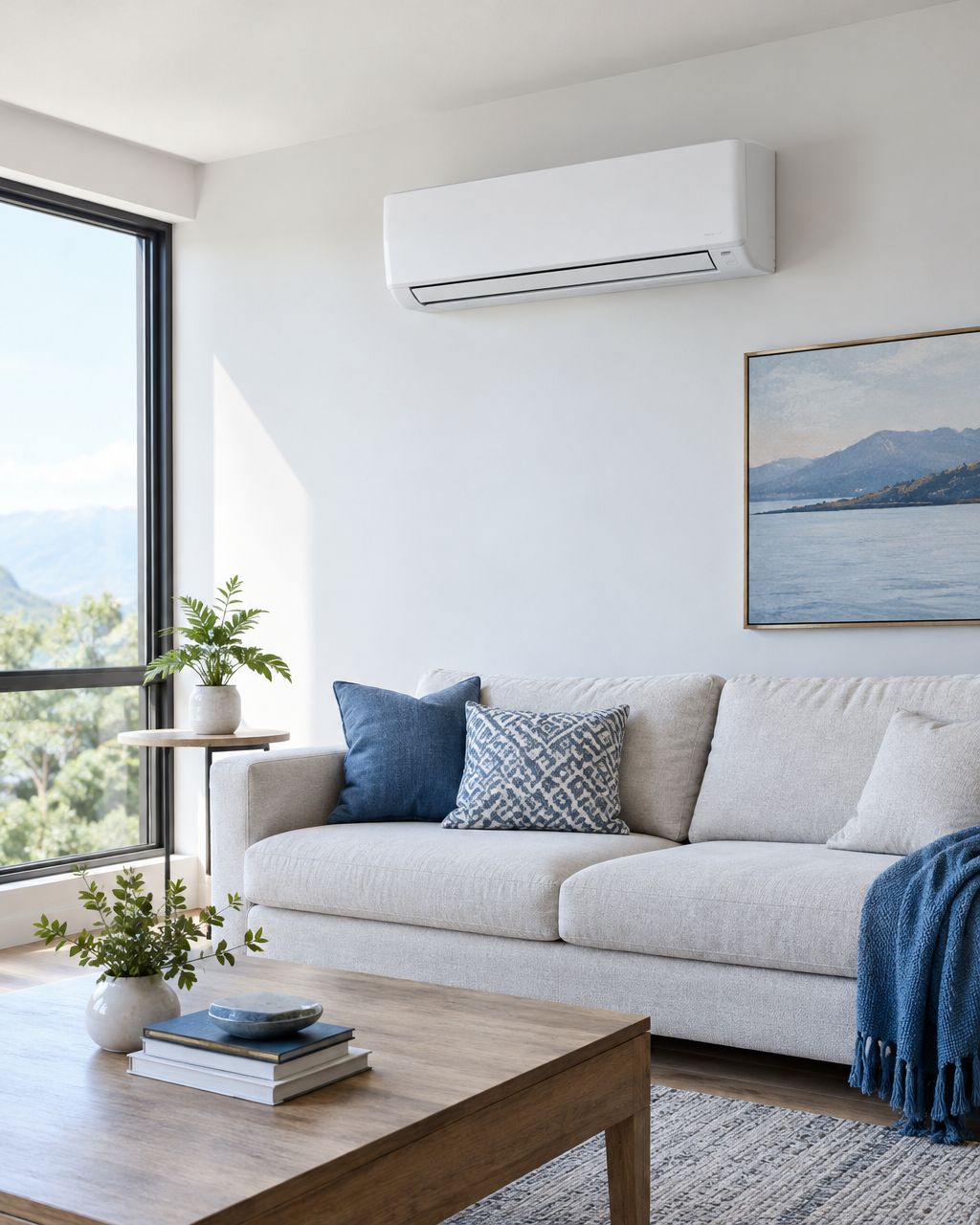
A central AC unit in the South typically lasts 12 to 17 years, and a well-maintained one can reach 15 to 20 — but long, humid, hard-working cooling seasons pull the low end of that range down to about 10 to 12 years. Heat pumps and ductless mini-splits land in similar ranges. The difference between a system that dies at 11 and one that runs 18 is mostly maintenance, correct sizing, and how many hours a year it runs.
- Central AC in the South: 12-17 years typical, 15-20 well-maintained.
- Long cooling seasons and humidity compress lifespan versus national averages.
- Coastal salt air shortens condenser life; rinse the coil regularly.
- Use the $5,000 rule: age times repair cost decides repair versus replace.
- Twice-yearly service and correct sizing add years to the system.
Why Southern AC units run shorter lives
The national median service life for a central air conditioner is about 15 years. In Southern states the system works harder for more of the year: a cooling season that stretches from April to October triples the run hours a northern unit logs. Humidity adds work too — the unit removes moisture as well as heat, so coils run colder and wetter, which accelerates corrosion and encourages biological growth on the coil. Homes near the coast face salt air, which eats condenser fins and cabinets years ahead of schedule. None of this is a defect; it is duty cycle.
Lifespans by system type
| System | Typical lifespan in the South | Notes |
|---|---|---|
| Central AC (split system) | 12-17 years | 15-20 with strict maintenance |
| Heat pump | 12-17 years | Runs year-round, so slightly faster wear than AC-only |
| Ductless mini-split | 15-20+ years | Inverter compressors and no duct losses help |
| Gas furnace (paired) | 15-30 years | Often outlasts the AC it sits beside |
| Window units | 8-10 years | Not a whole-home solution |
What adds years and what takes them
- Adds: annual (ideally twice-yearly) professional service, filter changes every 1-3 months, correct Manual J sizing at installation, a shaded condenser location, and sealed, insulated ductwork.
- Takes: mismatched or oversized equipment (short cycling), neglected coils, refrigerant leaks left unrepaired, coastal salt exposure, and duct systems leaking 20-30% of conditioned air into an attic.
The $5,000 rule: repair or replace?
Multiply the system's age by the repair quote. Over $5,000 — say a 12-year-old condenser facing a $500 compressor repair — replacement usually wins, because the repair buys years on an aging machine that will need the next repair soon anyway. Add two more triggers: any repair on a system using phased-out R-22 refrigerant (repair means a full charge at obsolete prices), and an efficiency gap — a 15-year-old unit can cost hundreds more per summer than a new high-efficiency one. A full central system replacement runs roughly $8,000 to $18,000 installed in 2026 depending on size and configuration, so the arithmetic matters.
Warning signs the end is near
Rising summer bills on the same usage patterns, rooms that will not cool evenly, short cycling, the outdoor unit running loudly or tripping breakers, and repair frequency climbing to more than once a season. Any one of these is a service call; three together on a 12-plus-year-old system are a replacement conversation.
FAQ
How long do AC units last in hot climates?
In Southern states, expect 12 to 17 years for a central AC, with 15 to 20 possible on a well-maintained system. Long cooling seasons and humidity pull real-world results toward the low end.
Does a heat pump last as long as an AC?
Roughly the same, 12 to 17 years. A heat pump runs in winter as well as summer, so its annual hours are higher, but modern inverter models hold up well.
How often should an AC be serviced in the South?
Twice a year is the standard recommendation in hot climates: spring for cooling, fall if the system includes heating. Annual service is the minimum.
Is it worth repairing a 15-year-old AC?
Usually not for a major component. Apply the $5,000 rule: age times repair cost over $5,000 means replace. Minor fixes on an otherwise healthy unit can still make sense.
Do AC units last longer if shaded?
A shaded condenser runs cooler and lasts longer — studies have shown modest efficiency and lifespan gains. Keep clearance for airflow and never enclose the unit.
What shortens an AC's life the most?
Neglected maintenance, incorrect sizing, and unrepaired refrigerant leaks. All three are cheap to prevent and expensive to ignore.
One last thing
Write the installation date on the condenser with a paint pen. Ten years from now, you and the technician will both know exactly where the system stands in its life — and the $5,000 rule becomes a ten-second calculation.
Get Matched
Tell us what you need. We will find your pro. Get Matched — free for homeowners. Always.
Related guides
- HVAC Replacement for Older Homes: Complete Guide
- How Long Does Storm Damage Repair Take?
- How Long Does a Roof Replacement Take?
Source note: ASHRAE/AHRI service life data (median ~15 years central AC); ENERGY STAR replacement guidance; 2026 installed-cost ranges from published regional contractor data. Checked November 3, 2026.