
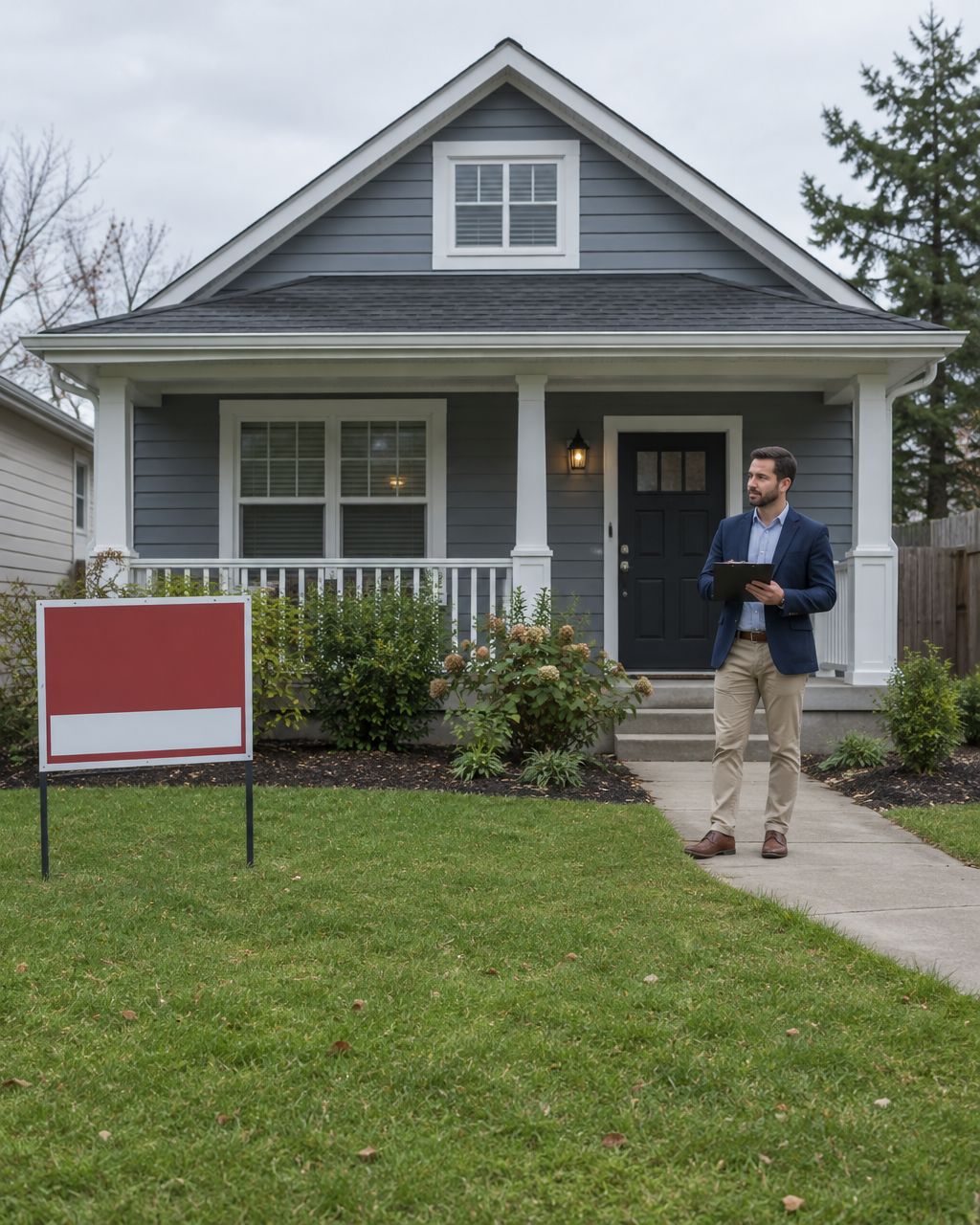
Landlord insurance is a separate policy — usually a DP-3 dwelling-fire form — built for a property you rent to others, and in 2026 it averages about $1,478 a year for a single-family rental. That is roughly 15-25% more than an owner-occupied homeowners policy on the same building, and the gap exists because tenant occupancy, vacancy periods and third-party liability are real risks insurers price.
- Landlord insurance averaged about $1,478 a year for a single-family rental in 2026.
- That runs roughly 15-25% more than an owner-occupied policy on the same building.
- A standard DP-3 covers the structure, your liability, and lost rent — not the tenant's belongings.
- Keeping an HO-3 on an occupied rental risks a denied claim at the worst moment.
- Require renters insurance in the lease so tenants carry their own coverage.
Why a homeowners policy is the wrong tool for a rental
An HO-3 policy assumes the owner lives in the home. A tenant living there changes the risk the carrier underwrote: someone else's household, a lease between you and a third party, and liability exposure you no longer control. Carriers respond in two ways — they price the risk properly (a landlord form), or they deny the claim and non-renew the policy when they discover the occupancy.
The second outcome is the expensive one. A fire or water loss on an occupied rental covered by an owner-occupant policy can be refused, and the premium savings of $200-$400 a year does not survive a denied structural claim.
What a landlord policy covers — and what it does not
| Coverage | DP-3 landlord policy | What to know |
|---|---|---|
| Dwelling structure | Covered | Rebuild cost is the limit to set |
| Other structures | Covered | Fence, shed, detached garage |
| Liability | Covered | Premises liability as landlord |
| Fair rental value | Covered | Pays lost rent while the home is uninhabitable after a covered loss |
| Tenant belongings | Not covered | The tenant's renter's policy covers them |
| Tenant-caused wear | Not covered | Normal wear and maintenance are not perils |
Three notes on the table:
- Personal property is mostly excluded. A landlord form covers your property used to service the rental — appliances, a lawnmower — not furniture a tenant brought.
- Fair rental value is the line item owners forget. If a covered loss makes the unit unlivable, this coverage replaces the rent you stop collecting while repairs happen.
- Water, mold and sewer backup behave like they do in homeowners policies. Sudden pipe bursts are typically covered; floods are not, and mold from unresolved maintenance is often limited or excluded. If a rental has already had water damage, our guide to mold remediation contractors explains what professional remediation involves.
What it costs in 2026
National 2026 figures for a single-family long-term rental:
- Average premium: about $1,478 a year, roughly 9% higher than 2025, driven by construction costs and catastrophe losses.
- Typical range: $800-$3,000 depending on state, rebuild cost and claims history.
- The HO-3 comparison: 15-25% more than an owner-occupied policy on the same building. On a $300,000 rental, a landlord policy often lands $1,200-$1,500 where the HO-3 runs $1,000-$1,200.
Coastal and storm-exposed markets price higher; in the Carolinas, review wind and hail deductibles alongside the premium — the same review applies to owner-occupied homes, as our storm-prone NC insurance checklist walks through.
The workflow for getting it right
- Reclassify before the first tenant moves in. Tell your carrier the occupancy change. Some carriers convert an HO-3 to a landlord endorsement; others require a full DP-3 rewrite.
- Set the dwelling limit to rebuild cost, not market value. Land value does not burn. Underinsuring risks a coinsurance penalty at claim time.
- Carry liability sized to what a lawsuit costs, not what feels round. Ask about an umbrella over the rental when you own more than one property.
- Add loss of rents and, where offered, ordinance-or-law coverage. Post-loss code upgrades on older homes are a common out-of-pocket surprise.
- Require renters insurance in the lease. It moves tenant property claims and many tenant-caused liability questions onto the tenant's own carrier.
- Re-shop the policy every renewal. 2026 pricing moved ~9% year over year; a policy priced two years ago is frequently overpriced today.
FAQ
How much does landlord insurance cost in 2026?
About $1,478 a year on average for a single-family long-term rental, in a typical range of $800-$3,000. That runs roughly 15-25% more than an owner-occupied policy on the same building.
Do I need landlord insurance for a rental property?
Yes. A standard homeowners policy assumes the owner occupies the home. Carrying an HO-3 on an occupied rental risks a denied claim and non-renewal.
What is a DP-3 policy?
A dwelling fire policy on a special-form basis. It is the standard landlord product: it covers the structure, your liability and lost rent, but not tenant belongings or ordinary wear.
Does landlord insurance cover tenants' belongings?
No. Tenants need their own renters insurance for personal property. That is the main reason to require renters coverage in the lease.
Does landlord insurance cover lost rent?
Yes, through fair rental value coverage: if a covered loss makes the unit uninhabitable, it replaces the rent you stop collecting during repairs. Confirm the limit when you quote.
Why is landlord insurance more expensive than homeowners insurance?
Tenant occupancy, vacancy periods between leases and third-party liability raise the risk the carrier prices, typically 15-25% on the same building.
Source note: Insurance Information Institute (landlord premiums about 25% above homeowners); All Property Management 2026 landlord insurance cost data ($1,478 average, +9% vs 2025); Insurance Geek and ManageCasa 2026 cost guides. Checked October 13, 2026.
Where to read next
- Homeowners insurance for storm-prone NC homes: what to check
- How to choose a public adjuster for a homeowners claim
- How to choose mold remediation contractors in 2026
Note: This article is educational and is not personalized insurance advice. Coverage questions belong with a licensed insurance professional.
This article is part of Handvetted's guidance for people and professionals in home services. Handvetted connects homeowners with one licensed, background-checked, highly rated local professional — free, always.