
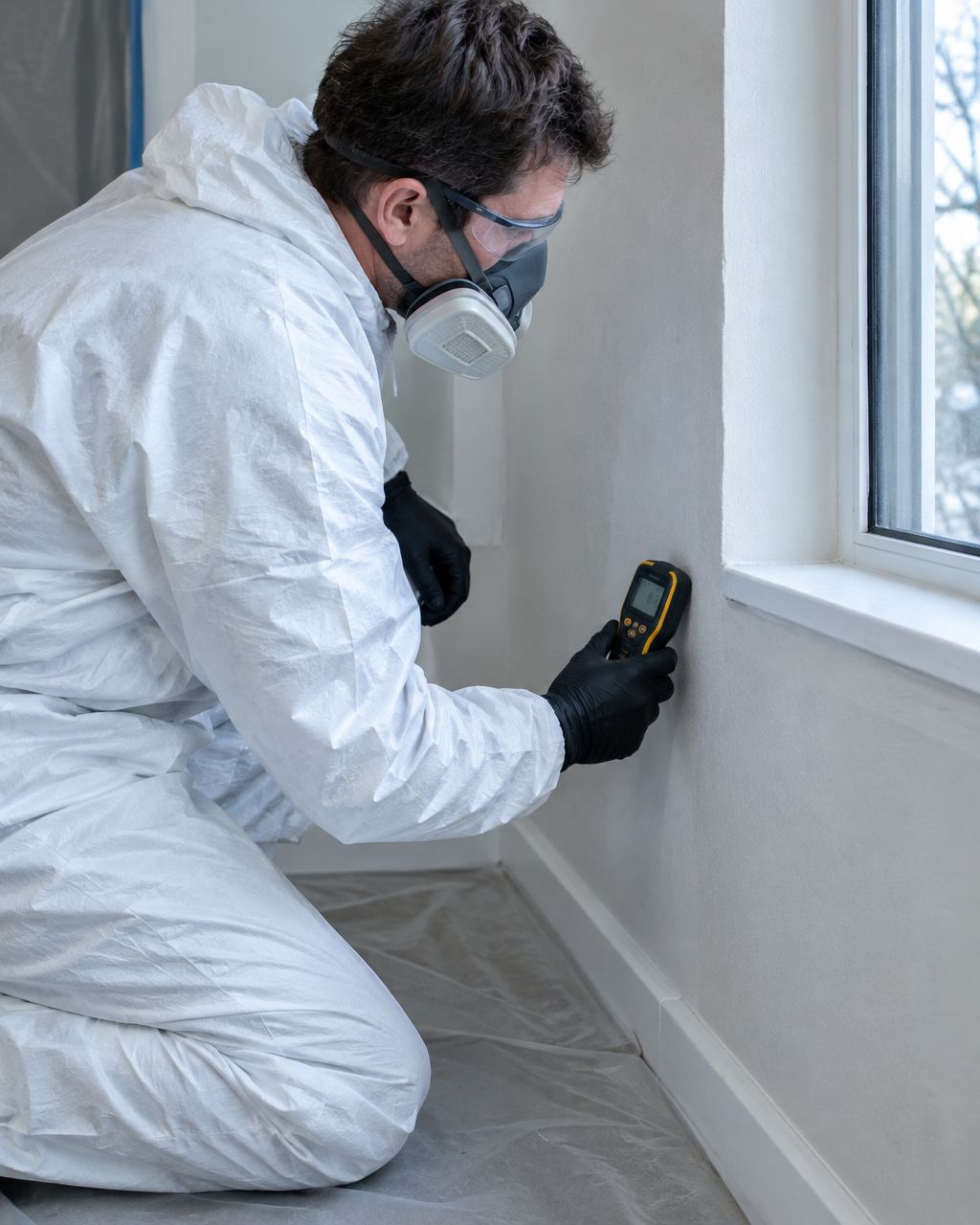
Yes — mold can come back after remediation, and the EPA says plainly why: if the moisture problem is not fixed, the mold problem will return. Remediation removes the growth; moisture control keeps it from growing back.
- Mold can return after remediation when the moisture source is never fixed — the EPA states this directly.
- Spores are always in the air; they only grow when moisture is present, so moisture control is mold control.
- A good remediation ends with dry materials, no visible water damage, and no musty smell on re-inspection.
- Returning growth in the same spot usually means a hidden leak, high humidity, or condensation, not a failed cleanup.
- Repeated growth despite fixed moisture is a reason to bring the remediation company back under its warranty.
Why mold returns
The EPA's mold guidance makes the relationship explicit: mold spores will not grow if moisture is not present, and "if you clean up the mold, but don't fix the water problem, then, most likely, the mold problem will come back." Mold Course Chapter 7 says the same thing from the remediation side — even removing all the mold in a building is only a temporary solution if moisture is not controlled.
The common ways moisture survives a remediation:
- The leak was patched but not fixed. A slow pipe seep, a flashing gap, a foundation crack.
- Humidity. Indoor relative humidity above about 50 percent is enough for growth on surfaces that never get wet.
- Condensation. Cold surfaces — exterior walls, window frames, HVAC ducts — where warm humid air meets them.
- Drying that was not verified. Walls closed up while the cavity inside was still damp.
What a complete remediation looks like
The EPA's checklist for judging when remediation is finished is the one to hold a company to:
- The moisture problem is identified and fixed — not just the mold cleaned.
- A revisit shortly after shows no signs of water damage or mold growth.
- The space can be occupied without health complaints or physical symptoms.
- Materials are dry — a moisture reading on the previously wet materials, not a promise.
- Containment was used on anything beyond a small cleanup, so spores did not spread during the work.
If the company did not fix the moisture source or offer a follow-up check, the work was a cleanup, not a remediation — our guide to choosing mold remediation contractors lists the questions that separate the two before you hire.
What to do if it comes back
- Find the water first. Same spot returning means check that spot's moisture: a plumber's leak test, a hygrometer reading, condensation on that wall.
- Document it. Photos with dates, plus the original remediation invoice and scope.
- Call the company back. Reputable remediation companies warranty their work against recurrence when the scope included fixing the moisture source — ask directly whether the return is covered.
- Fix the moisture before any new cleanup. Killing the same colony twice without touching the leak is paying for the same result.
- Call a professional again if the growth is recurring or larger than about 10 square feet. The EPA's DIY line is a small, one-time patch — recurring growth is the pattern that needs a professional eye.
Keeping it from coming back
The EPA's moisture-control list is short and boring, which is the point: fix leaks promptly, keep indoor humidity below about 50 percent, vent bathrooms and kitchens to the outside, run the HVAC as designed, and dry any new wetting within 24–48 hours. Spores will always be in the air; moisture is the only thing that turns them into a colony.
How Handvetted matches remediation professionals
Handvetted connects homeowners with one licensed, background-checked, highly rated local remediation professional — screened for an active license, owner background checks, verified ratings of 4.5 stars or higher, and human review. You describe what came back and where, and one verified professional is briefed before they call. The service is free for homeowners, with a free rematch if the first match is not right.
FAQ
Can mold come back after remediation?
Yes — if the moisture source is not fixed. The EPA states that cleaning up mold without fixing the water problem usually means the mold problem comes back.
How do I know if the remediation was done right?
The EPA's checklist: the moisture problem fixed, no signs of water damage or mold on a follow-up visit, dry materials, and the space occupied without symptoms.
Why did mold return in the same spot?
Usually a moisture source in that location — a hidden leak, condensation on a cold surface, or humidity above 50 percent — rather than a failed cleanup.
Is recurring mold covered by the remediation company's warranty?
Often, when the original scope included fixing the moisture source. Ask the company directly with your documentation in hand.
Can I remove returning mold myself?
Only a small one-time patch — the EPA's guideline is under about 10 square feet. Recurring growth needs the moisture source found and fixed professionally.
How do I keep mold from coming back?
Fix leaks promptly, keep indoor humidity below about 50 percent, vent moisture-producing rooms outdoors, and dry new wetting within 24–48 hours.
Related guides
- How to choose mold remediation contractors
- How much does mold remediation cost?
- How fast does mold grow after water damage?
Source note: EPA, A Brief Guide to Mold, Moisture and Your Home; EPA Mold Course Chapter 7 (Remediation). Checked October 20, 2026.
Get Matched
Tell us what you need. We will find your pro. Get Matched.