Choose a storm damage restoration company that can explain the damage, make the property safe and document exactly what work comes next. In 2026, the best choice is not the crew that reaches your driveway first; it is the qualified local team whose written scope matches the actual loss.
- Choose storm damage repair companies by verified credentials, damage-specific scope and a written cleanup plan.
- Document damage and contact your insurer early; keep receipts and protect the property without taking unsafe risks.
- Handvetted matches homeowners with one licensed, background-checked restoration professional rather than sending a request to many firms.
For water, fire or structural repair, you can describe the damage through Handvetted's restoration matching page. The matching service says it connects you with one licensed, background-checked professional. That is an introduction, not a substitute for reviewing a written estimate and checking that the assigned company handles your specific loss.
Why this matters
Storm restoration is not one job. A fallen branch on a roof, water behind drywall and sewage-contaminated flooding call for different crews, safety precautions and scopes. A quote for debris removal is not a quote for drying or rebuilding. In 2026, get those distinctions into writing before work begins.
FEMA's flood-cleanup guidance says to check local instructions, photograph damage before cleanup and keep receipts. It also warns homeowners to stay away from downed power lines and damaged structures. If you see an electrical hazard, smell gas, or think the building is unstable, leave the area and follow emergency or utility instructions. Do not enter a damaged structure just to take better pictures.
How do you choose a storm damage restoration company in 2026?
Start with the kind of damage and the work it requires. Then verify the company and demand a written plan that separates immediate stabilization from cleanup and reconstruction.
- Make the site safe. Keep people away from fallen lines, standing water near electrical equipment and unstable trees or structures. Call the utility or emergency services for hazards they handle.
- Record the condition. From a safe position, photograph the roof, exterior, affected rooms and damaged belongings. Note when the storm happened and what has changed since.
- Contact the insurer. Ask what documentation it needs, what work you can do immediately to prevent further damage, and how it handles emergency services. Coverage and deductibles depend on your policy.
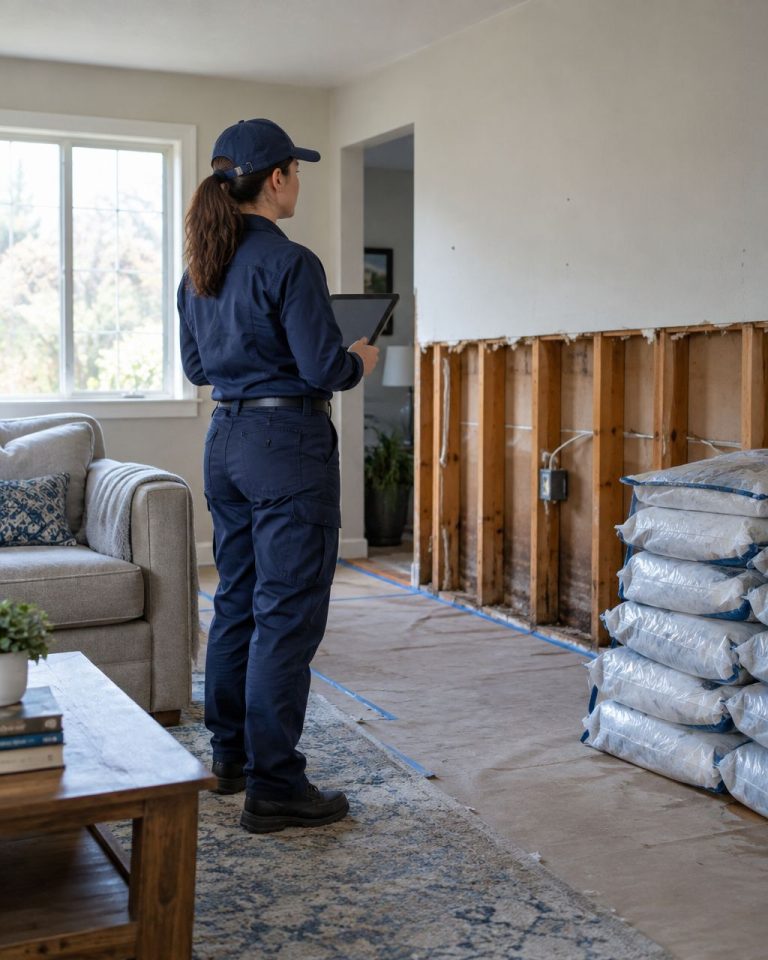
- Define the job. Ask whether the company will tarp, extract water, dry materials, remove damaged contents, clean, repair or rebuild. A specialist in one phase is not automatically responsible for the next.
- Check the company. Match the legal business name on the estimate to its license where required, current insurance and the person who will supervise the work. Ask about subcontractors.
- Review the written scope. It should identify the affected areas, work stages, materials to remove or save, documentation and a process for discovering hidden damage.
- Set communication rules. Know who reports progress, who approves extra work and what records you will receive at completion.
Do not sign an open-ended authorization because someone says insurance will pay for everything. The insurer decides what the policy covers; the contractor explains what the building needs. You need both answers separately.
What should a restoration estimate include?
A useful estimate is a map of the job, not merely a total. Ask for a room-by-room or area-by-area explanation where practical. Some storm losses require emergency work before the full repair scope is visible; require separate documentation for both stages.
| Stage | What the written scope should say | Question to ask |
|---|---|---|
| Emergency protection | Tarping, boarding or other stabilization | Who returns if the temporary protection fails? |
| Water or debris removal | What is removed and from which areas | What is retained for claim documentation? |
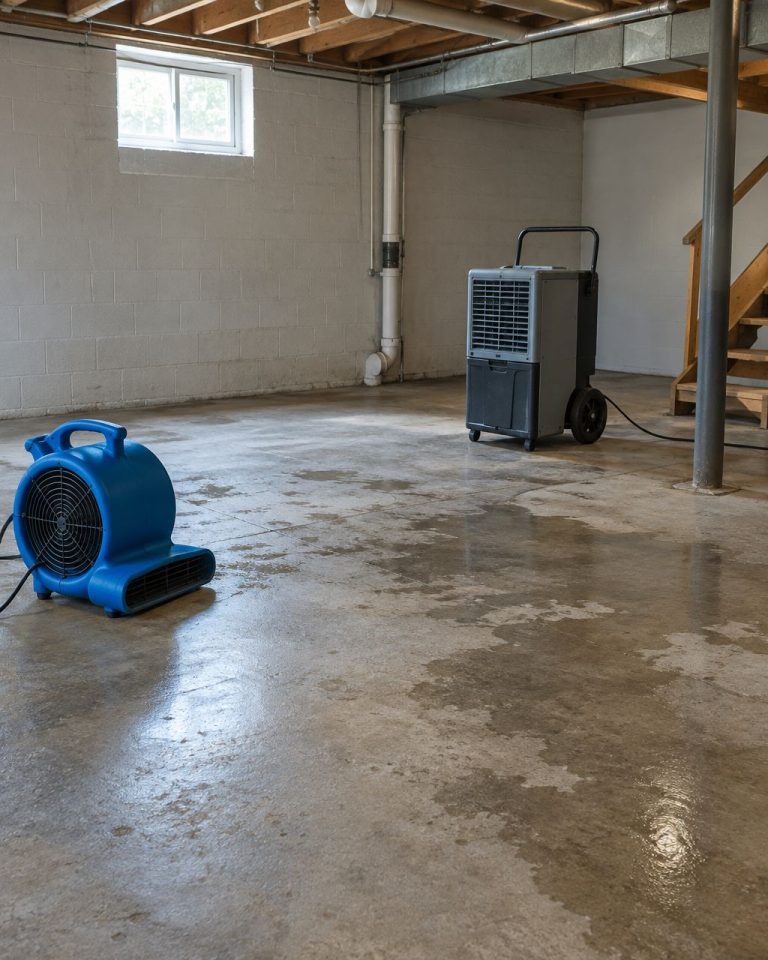
| Drying and cleaning | Affected materials and how progress is recorded | What determines when the area is dry enough? |
| Repair or reconstruction | Materials, workmanship, permits if needed | Is this included or a separate agreement? |
| Changes | How new damage is documented and approved | Will you obtain my written approval before extra work? |
Get clear about exclusions. Is damaged insulation included? Who handles a roof opening discovered during drying? Who moves contents, and who restores them? If a company will handle only stabilization, that is fine; the estimate should say so. In 2026, the safest comparison is between scopes for the same work, not totals attached to different jobs.
Separate mitigation from permanent repair
Mitigation prevents further loss. Permanent repair restores the damaged part of the home. Some firms offer both; others do only one. Ask for two scope descriptions if the boundary is unclear. Do not assume that an emergency visit includes the final roof, drywall, flooring or paint work.
For a roof leak, temporary covering may be urgent, while a roofer still needs to determine whether the roof should be repaired or replaced. This roof repair versus replacement guide helps frame that separate decision; it does not determine what your insurer will cover.
Ask how hidden damage is handled
After opening a wall or ceiling, a crew can find more wet material than the initial inspection showed. A sound agreement describes how the crew will photograph that finding, update the scope and get approval before expanding the job. A promise to sort out the bill later is not a process.
Which credentials should you verify?
Ask for the company's full legal name, applicable trade license, proof of liability coverage, and workers' compensation information where relevant. Verify the license through the state or local authority that regulates that work, rather than relying only on a photo of a credential. Requirements vary by trade and jurisdiction; a business registration is not the same as a specialized trade license.
Find out who will actually do the work. A restoration company may subcontract roofing, electrical or reconstruction. The primary contract should say who hires those trades and who is responsible for their work. Ask to see credentials for regulated trades before that work starts.
Check project-specific experience. A company that is comfortable drying a clean plumbing leak is not necessarily equipped for a fire-damaged interior or contaminated floodwater. Ask the prospective supervisor to describe a similar job, the safety plan and the handoff between cleanup and repair. For a broader verification process, use Handvetted's contractor background-check guide.
How should you handle insurance and documentation?
Take photos or video before cleanup if it is safe. Save receipts for emergency protection, temporary accommodation and work performed, and ask your insurer what it wants you to retain. FEMA's flood-cleanup guidance specifically calls for damage photos and receipts. Follow your own adjuster's and policy's instructions for the claim; do not infer coverage from a contractor's sales pitch.
Tell the restoration team what has already been documented. Ask them to record materials removed, equipment used and any new damage discovered. Keep copies of scopes and change orders. A clean paper trail helps you distinguish work authorized by you from work merely discussed onsite.
Do not delay a necessary safety measure just to wait for a visit from an adjuster; first ask your insurer how to document urgent action and follow its guidance. Conversely, do not authorize extensive demolition without understanding the scope and claim implications. An insurer's estimate and a contractor's repair scope serve different purposes and can disagree. Ask each side to explain the difference in writing.
What are warning signs during a storm response?
- A promise of guaranteed insurance payment. A contractor does not control policy coverage or the insurer's decision.
- Pressure to sign at the door. Emergency protection can be documented separately from a large reconstruction contract.
- No named business or supervisor. You need an accountable party for both the job and any follow-up.
- A scope with no boundaries. If cleanup, drying and repairs are blended into one vague line, you cannot compare it with another proposal.
- Unsafe work. Do not let a crew work around downed lines, unstable structures or hazardous materials without the appropriate response and controls.
- Unapproved extra work. Hidden damage can be real, but it must be documented and agreed to, not sprung on you after the fact.
Urgency is real after a storm. It does not erase the need to know who is doing the work or what you agreed to buy. A professional can tell you what must happen immediately and what can wait until the full inspection.
Why do restoration scopes vary?
Damage type. Wind, roof leaks, groundwater, floodwater, fire and smoke require different approaches. A photograph of a wet floor cannot establish what is inside the wall.
Affected materials. Drywall, insulation, flooring and structural members respond differently to water and smoke. The scope should say whether each is inspected, cleaned, dried or replaced.
Time since damage. Delayed discovery can change the inspection and drying plan; never accept an invented universal deadline for your particular home.
Access and safety. A roof opening, a damaged electrical system or an unstable structure changes the order of work. Site safety comes before a complete price.
Who handles rebuilding. One bid may cover only temporary work; another may include full reconstruction. That difference explains many apparent price gaps.
FAQ
What should I do before calling a storm restoration company?
Make the area safe, document visible damage from a safe location and contact your insurer. Follow utility or emergency instructions for fallen lines and unstable structures.
Does storm damage restoration include roof repair?
Not automatically. Ask whether the written scope covers only temporary roof protection or also permanent roofing work.
Can a contractor guarantee that insurance will pay?
No. Your policy and insurer determine coverage; the contractor can document damage and describe needed work.
What should I check on a storm damage repair company’s license?
Confirm the legal name, current status and whether the credential covers the actual trade doing the work. State and local requirements differ.
Should I sign a full restoration contract immediately after a storm?
Sign only after you understand the scope, payment terms and change-order process. Emergency stabilization can be described separately from later repairs.
What if more damage appears after cleanup starts?
Require photographs, an updated written scope and your approval before the crew adds work. Ask your insurer how it wants new damage documented.
One last thing
The first decision is about safety and scope, not a ranking of companies. Handvetted's 2026 restoration matching route can introduce one vetted local professional; keep control of the job by checking the assigned team's credentials and approving a written plan.
Related guides
Source: FEMA, Stay Safe Cleaning Up After a Flood, accessed September 2026. Advice on photos, receipts, electrical hazards and professional cleanup; local instructions and insurance policies govern individual cases.